English
 日本語
日本語
 Deutsch
 Español
No.158, Baoqun Road, Yaozhuang Town, Jiashan County, Jiaxing City, Zhejiang Province , China

Content
Steel fabrication is a critical service across industries, from construction and automotive to machinery manufacturing and infrastructure projects. However, one of the most common questions clients ask is: how much does it actually cost? The answer is far from straightforward, as pricing depends on numerous interconnected factors including material quality, complexity, production volume, and specialized techniques employed.
Unlike buying a standard commodity, steel fabrication welding services are highly customized. Understanding the cost structure helps you budget effectively and make informed decisions about your manufacturing needs. This guide breaks down the key factors influencing pricing and provides insights into typical industry ranges.
The raw material cost is often the largest component of your fabrication bill. Steel prices fluctuate based on global markets, availability, and grade specifications. Different steel types come with vastly different price points:
Material wastage also affects costs. Most projects lose 10-30% of raw material during cutting and processing, depending on design complexity. More intricate shapes with irregular geometries generate higher waste percentages, directly impacting your total material expense.
Labor costs constitute a substantial portion of your fabrication bill, particularly for projects requiring skilled craftsmanship. The complexity of your design directly influences how much labor is needed.
| Complexity Level | Characteristics | Labor Impact |
|---|---|---|
| Simple | Straight cuts, basic welds, minimal finishing | Minimal overhead |
| Moderate | Curved sections, multiple connections, standard finishing | Medium increase |
| High | Complex geometries, precision tolerances, specialized techniques | Significant premium |
Machine setup time also factors into labor costs. Steel fabrication and welding operations require calibration, programming, and testing before production begins. For small orders, this setup represents a higher per-unit cost.
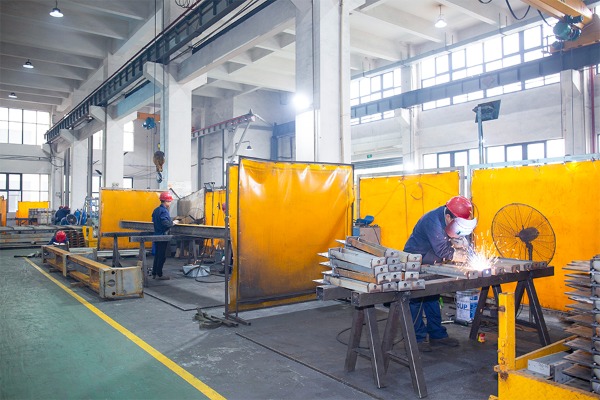
Different manufacturing methods carry different price tags. Your choice of production technique depends on volume, precision requirements, and budget constraints.
Manual Welding remains popular for custom work and small batches. Skilled welders handle all operations, which is labor-intensive but flexible. This method suits projects requiring artistic customization or unique geometries.
MIG Welding Services offer faster production speeds and lower labor intensity compared to manual methods. MIG welding works well for medium-volume projects with consistent design requirements, providing better cost efficiency for larger orders.
Arc Welding Fabrication is known for producing extremely strong, reliable joints. While equipment costs are lower, skill requirements are higher, making it ideal for structural applications where quality is non-negotiable despite higher labor expenses.
CNC Steel Fabrication provides precision and repeatability, making it ideal for large production runs. Initial programming and setup are expensive, but per-unit costs decrease significantly with volume. For single-piece or low-volume custom orders, CNC adds substantial costs.
Laser Cutting and Welding Services deliver exceptional precision and minimal material waste. However, equipment is expensive to acquire and maintain, so these services carry premium pricing. They become economical for intricate designs where waste reduction matters significantly.
Fabricators typically employ several pricing models, each with advantages depending on your project scope.
This straightforward model charges based on finished weight. It works well for standardized projects where complexity remains relatively constant. Typical ranges span from fifteen to fifty dollars per pound, depending on material grade, quantity, and finishing requirements. Larger orders usually qualify for volume discounts.
For custom work, fabricators often quote a single price for the entire project. This requires detailed specifications upfront but provides budget certainty. The fabricator absorbs risk for efficiency gains or unexpected complications.
Complex or uncertain projects may use this hybrid model. The fabricator charges actual material costs plus hourly labor rates. Skilled fabricators typically bill between seventy and one hundred fifty dollars per hour, depending on experience and location.
Ordering in quantity significantly reduces per-unit costs. A small one-off project might cost substantially more per pound than a fifty-piece run of identical components. Volume discounts can range from ten to forty percent depending on the reduction in setup and overhead costs.
Many industries require certified fabrication meeting specific standards. These certifications add costs but ensure reliability and compliance.
A steel fabricator maintaining these certifications typically charges fifteen to thirty percent premium for certified work compared to non-certified alternatives. While seemingly expensive, certifications often become mandatory requirements for critical applications, making them non-negotiable investments.
Additional testing services including ultrasonic inspection, radiography, or hardness testing further increase costs but guarantee structural integrity and performance standards. For aerospace, automotive, or medical applications, these expenses prove essential.
Raw fabrication is just the beginning. Finishing processes significantly impact both cost and final product quality.
Finishing can add twenty to fifty percent to your total project cost, depending on the complexity and finish quality required. Premium finishes for architectural or visible applications cost more than simple surface preparation for industrial components.
Custom metal welding projects often involve unique demands beyond standard fabrication. Unusual materials, extreme dimensional tolerances, or specialized joint configurations increase costs substantially.
Exotic Materials: Titanium, inconel, duplex stainless, or other specialty alloys command premium pricing and require specialized handling. Welders need specific training, equipment modifications may be necessary, and these materials exhibit higher scrap rates.
Tight Tolerances: Components requiring plus-or-minus 0.01 inch precision need careful measuring, multiple inspection cycles, and often require CNC processing rather than manual fabrication.
Environmental Requirements: Food-grade, medical-grade, or pharmaceutical applications require cleanroom protocols, specialized documentation, and additional quality assurance. These add significant overhead.
Assembly and Fitting: Projects requiring components to be fitted together, aligned, or integrated with other parts need additional labor and coordination.
Fabrication costs vary considerably by region due to labor rates, material availability, and overhead expenses. Urban areas with high cost of living typically charge more than rural regions. Proximity to steel mills and supply chains also influences pricing.
Importing specialty services or materials can significantly increase costs through shipping, tariffs, and logistics. Local fabricators offering custom metal welding services may be more economical than distant specialists, particularly for heavy items where shipping constitutes a major expense.
Currency fluctuations affect international fabrication pricing. Offshore options might initially appear cheaper but should be evaluated including shipping, communication overhead, quality control expenses, and potential rework costs.
Smart project planning can yield significant savings without compromising quality.
Early communication with your fabricator during design stages allows them to suggest cost-saving modifications without sacrificing functionality. Fabricators often identify opportunities for optimization that designers might miss.
When soliciting bids from multiple fabricators, look beyond the bottom-line price. A detailed quote should include material costs, labor hours, processing techniques, finishing options, quality certifications, delivery timeline, and warranty information.
| Evaluation Criterion | What to Look For |
|---|---|
| Material Specification | All quotes should specify exact grades, standards, and sourcing |
| Process Description | Manufacturing methods, equipment used, and quality checks detailed |
| Certification Claims | Verify legitimacy of claimed standards and certifications |
| Warranty Terms | Understand coverage, duration, and customer support provisions |
| Delivery Schedule | Lead times, expedite fees, and inventory management |
Unusually low quotes deserve investigation. While competitive pricing is good, prices significantly below market rates often indicate corners being cut in materials, labor quality, or process controls.
Understanding typical pricing across different project categories helps calibrate expectations.
A 50-ton building support structure with moderate complexity might range from forty thousand to eighty thousand dollars. Material comprises the largest share at forty-five percent, with labor and overhead making up the balance. Certification requirements and finishing add twelve to fifteen percent to the base cost.
A single precision-machined component requiring specialized alloys and tight tolerances might cost two thousand to five thousand dollars. Higher per-pound costs reflect design complexity, material premium, and rigorous quality control required.
Decorative stainless steel fabrications combining aesthetic requirements with structural integrity typically run five thousand to twenty thousand per element depending on size and intricacy. Premium finishing for visible surfaces accounts for twenty to thirty percent of total cost.
Manufacturing one thousand identical brackets might total five thousand to ten thousand dollars, translating to five to ten dollars per unit. Volume significantly reduces per-unit costs compared to single-piece fabrication.
Steel fabrication typically ranges from fifteen to sixty dollars per pound for finished components, depending on material grade, complexity, volume, and required finishing. Simple mild steel structural work falls at the lower end, while precision stainless work commands higher rates. Always get detailed quotes for accurate budgeting.
CNC fabrication has higher setup costs but lower per-unit costs for production runs. For single pieces or small quantities, manual methods prove more economical. CNC becomes cost-effective once you reach production volumes of twenty to fifty units, depending on complexity and material.
Yes, rush orders typically incur surcharges of twenty to fifty percent due to overtime labor, priority scheduling, and expedited material sourcing. Planning ahead and allowing standard lead times provides substantial savings.
Certifications and testing add fifteen to thirty percent to project costs depending on the specific standards required. AWS welding certifications, ISO compliance, and non-destructive testing each contribute to overall expenses, but provide assurance of quality and regulatory compliance.
Stainless steel costs approximately two to three times more than mild steel due to material premium, specialized welding techniques required, and slower processing speeds. Additional finishing costs also increase due to corrosion prevention requirements.
Discuss material alternatives that meet your requirements, design simplification opportunities, production scheduling flexibility, volume discounts, and finishing options. Fabricators often identify cost-saving modifications during the quoting process when you collaborate openly about budget constraints.
Online calculators provide rough estimates based on weight and material type but miss critical factors like complexity, technique requirements, finishing, and certification needs. Always obtain formal quotes from actual fabricators for accurate budgeting, especially for custom projects.
Offshore options may offer lower labor rates but add shipping, tariffs, communication overhead, and quality control costs. For heavy components, shipping expenses can eliminate savings. Evaluate total cost of ownership including potential rework rather than base price alone.
Finishing typically adds twenty to fifty percent to fabrication costs. Simple sandblasting adds minimally, while premium powder coating or hot-dip galvanizing significantly increases expenses. Discuss finishing requirements upfront to understand their impact on your budget.
Watch for unclear material sourcing costs, vague labor hour estimates, undefined inspection protocols, and finishing quality specifications. Ensure quotes include delivery, handling, and any testing or certification charges. Request itemized breakdowns to understand exactly what you are paying for.
Why Equipment Structural Framework Welding Demands More Than Just a Welder Not all w...
READ MORE
How Much Does Steel Structure Frame Welding Cost? When sourcing steel structure fram...
READ MORE
Why Professional Rack Welding Matters More Than You Think The structural integrity o...
READ MORE
Large-scale construction projects demand materials and processes that guarantee reli...
READ MORE
No.158, Baoqun Road, Yaozhuang Town, Jiashan County, Jiaxing City, Zhejiang Province , China
0086 13857303563
+86-573-84893330 / +86-573-84518277
product