English
 日本語
日本語
 Deutsch
 Español
No.158, Baoqun Road, Yaozhuang Town, Jiashan County, Jiaxing City, Zhejiang Province , China
News
Home / News / Industry News / How Does Steel Structure Frame Welding Improve Building Strength and Durability?

Content
The structural integrity of modern buildings depends heavily on the precision and quality of steel structure frame welding. As urbanization accelerates and architectural designs become increasingly ambitious, the role of professional welding in construction has never been more critical. Whether supporting multi-story commercial complexes or specialized industrial facilities, welded steel frames form the backbone of contemporary infrastructure. This article explores the technical dimensions of how advanced welding practices enhance both the strength and longevity of structural systems.
When properly executed, steel frame welding creates connections that can match or exceed the strength of the base materials themselves. Unlike bolted or riveted connections that create stress concentrations at fastener holes, welded joints distribute loads more uniformly across the connected surfaces. This characteristic becomes especially important in seismic-prone regions where building codes demand superior load-carrying capacity.
A welded connection essentially fuses two or more steel components into a single continuous mass. When load forces are applied to a structure, the lack of mechanical discontinuities in welded joints means that stress paths flow more naturally through the material. In contrast, bolted connections create predictable failure points around the bolt holes where stress concentration factors can reach 2.5 to 3.0 times higher than surrounding material.
The following characteristics make welded joints superior in load distribution:
Different building types experience different loading patterns, and welded steel structure fabrication addresses each scenario effectively:
| Loading Type | Welding Advantage | Impact on Strength |
|---|---|---|
| Axial Tension | 100% strength transfer through continuous material | Full rated strength achieved |
| Bending Moments | Moment distribution across larger material volume | 50-80% increase in moment capacity vs bolted |
| Shear Forces | Multiple load paths through weld metal | Superior performance under cyclic shear |
| Torsional Stress | Continuous connection resists twisting | Prevents rotational failures |
Durability in structural steel extends far beyond the initial strength of connections. A building must maintain its performance over decades while exposed to environmental stresses, cyclic loading, temperature variations, and chemical exposure. Professional steel structure welding practices directly influence how well buildings withstand these long-term challenges.
One of the critical aspects of durability involves protecting steel from corrosion. Improperly executed welds can actually accelerate corrosion by creating crevices, trapped moisture, or areas where protective coatings cannot properly adhere. High-quality welding practices ensure smooth, continuous surfaces that can be effectively protected.
Welding impacts corrosion resistance through:
Modern buildings experience fatigue loading from wind, traffic, vibration, and temperature cycling. The fatigue strength of a welded connection determines how long a structure can endure these repeated stress cycles before cracks initiate. Research demonstrates that properly designed and executed welded connections can achieve fatigue strengths equivalent to unwelded material, while poorly executed welds may show fatigue strengths 50-70% lower than the base material.
Factors that enhance fatigue resistance include:
Temperature variations in outdoor structures create expansion and contraction cycles. Controlled welding procedures minimize distortion and maintain dimensional accuracy throughout these thermal cycles. This stability proves essential for building systems where misalignment could compromise performance or safety.
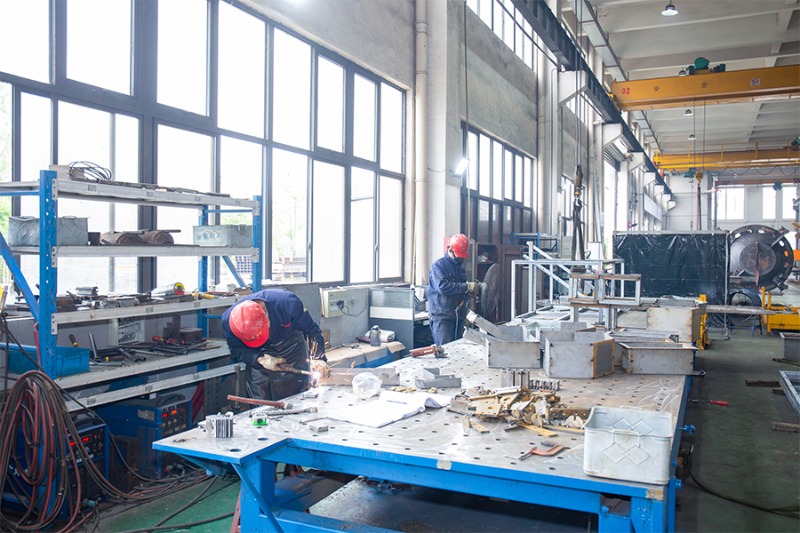
Traditional stick electrode welding remains widely used for structural steel work, particularly in field conditions and for repair operations. The process provides good penetration, excellent out-of-position capability, and produces robust welds suitable for building frames. Skilled operators can maintain consistency across varying environmental conditions, making SMAW reliable for on-site work.
Semi-automatic GMAW has become the dominant process for shop fabrication due to its speed, efficiency, and ability to produce clean, consistent welds. The continuous wire feed and shielding gas protection create welds with excellent mechanical properties and minimal surface defects. Modern GMAW equipment can achieve deposition rates 3-4 times higher than SMAW while maintaining superior weld quality.
This process combines the efficiency of wire feed welding with the robustness of flux-protected welds. FCAW performs exceptionally well in challenging field conditions, tolerating moisture, drafts, and poor fitup better than GMAW. Many structural steel contractors prefer FCAW for on-site erection work where environmental control is limited.
For heavy sections and high-volume production runs, submerged arc welding delivers unmatched deposition rates and deep, penetrating welds. The flux layer provides excellent protection and produces extremely clean weld surfaces ideal for subsequent machining or coating operations. SAW dominates large-scale fabrication shops where predictable, high-quality results are paramount.
The selection of welding process depends on multiple factors presented in the following summary:
The foundation of weld quality begins long before the arc strikes. Proper material preparation, including cleaning mill scale, rust, and contaminants, ensures optimal weld penetration and soundness. Edge preparation to precise angles and gaps creates consistent conditions for the welding process. Inadequate edge preparation is one of the leading causes of defects in structural applications.
Modern welding requires precise control of multiple parameters simultaneously. Travel speed, arc voltage, welding current, and shielding gas flow all interact to determine the final weld quality. Automated equipment maintains consistency, but even manual welding can achieve reliable results when procedures are thoroughly documented and operators receive proper training.
After welding completion, various testing methods verify that the connection meets design requirements without damaging the structure:
Testing standards and acceptance criteria are established in building codes and industry specifications. These criteria define acceptable defect sizes, locations, and repair procedures, ensuring that only sound welds remain in the finished structure.
Before production welding begins, test welds are created under identical conditions and then tested to destruction. These qualification tests verify that the proposed welding procedure will produce welds with strength and ductility meeting minimum requirements. Tensile strength, bend tests, and charpy impact tests all contribute to demonstrating procedure suitability.
The filler metal used in welding must match or exceed the mechanical properties of the base steel being joined. Selecting the wrong filler material can result in a connection weaker than the surrounding structure. Factors influencing filler selection include:
For processes using external shielding gas, the gas composition directly affects weld metal properties. Argon and carbon dioxide mixtures provide excellent penetration and bead profile. Proper gas flow rates prevent atmospheric contamination while avoiding gas turbulence that could disrupt the arc. Inadequate shielding is a common cause of porosity defects in structural welds.
For flux-cored and submerged arc processes, the flux composition chemistry determines slag formation, contaminant removal, and alloy pick-up from the flux. Properly selected fluxes produce self-healing slag that protects the cooling weld metal and leaves a surface suitable for coating application.
When welding weathering steels or other specialty materials, filler metals must be specifically matched to the base metal composition. Mismatched filler can create preferential corrosion paths or sacrifice the special properties of the base material. In coastal or industrial environments, careful material selection directly influences long-term structure durability.
The area surrounding a weld, known as the heat-affected zone, experiences significant changes in microstructure from the welding heat. This zone can actually become weaker than both the base metal and the weld metal if not carefully controlled. Modern procedures account for heat-affected zone properties when designing connections.
Thermal stresses from welding create expansion and contraction that can warp structural members. Several proven techniques minimize this problem:
Building frames often involve welding multiple connections in close proximity. The cumulative thermal effect from sequential welding can affect members that were welded hours earlier. Advanced fabrication shops model thermal effects computationally to optimize welding sequences that minimize unintended consequences.
Modern welding equipment represents significant capital investment, yet properly maintained equipment delivers better weld consistency, lower scrap rates, and improved productivity. Automated welding systems reduce labor costs per weld while improving quality, though initial equipment costs must justify the investment through production volume.
Skilled welders command premium wages, but their expertise prevents costly defects and rework. Training programs for structural steel welding typically require several years to develop full competency. However, well-trained teams produce superior work that requires fewer inspections and corrections.
There is no inherent conflict between fast welding and high quality. In fact, modern procedures optimize heat input to achieve rapid deposition while maintaining weld integrity. The balance comes in selecting appropriate equipment and procedures for each application rather than compromising on inspection or material selection to save time.
While professional quality steel structure welding may cost more initially than alternative connection methods, the superior durability and strength reduce maintenance costs and extend building lifespan. A structure built with properly welded connections requires less ongoing inspection, permits greater design loads, and commands higher insurance and resale value.
Modern high-rise buildings rely entirely on welded steel frames to achieve the column spacing and architectural freedom demanded by commercial markets. Welded connections transfer loads from lateral wind forces through continuous paths that bolted connections cannot match. Recent buildings in seismic regions have demonstrated that properly welded structures withstand earthquake forces with minimal damage where bolted structures would require major repairs.
Petrochemical plants, foundries, and heavy equipment manufacturing buildings experience extreme operational loads and harsh environments. Welded steel structures in these applications demonstrate superior durability compared to bolted alternatives. The absence of loose fasteners also improves safety in high-vibration environments.
Long-span bridges depend on welded main members to achieve the strength required for large cantilever sections. Bridges built 50+ years ago using older welding procedures continue operating successfully, demonstrating that properly executed welds develop permanent strength that does not degrade with time under normal service conditions.
When existing structures require strengthening, field welding offers superior performance compared to bolted connections. The ability to weld on-site with portable equipment allows engineers to customize reinforcement to exact site conditions without requiring pre-fabricated solutions.
Structural welding is governed by comprehensive standards that specify everything from procedure documentation to acceptance criteria. These standards exist because engineers and contractors learned through decades of experience which practices produce reliable, durable results. Key standards include:
Compliance with these standards ensures that regardless of location or project type, structural steel welding meets consistent quality requirements. Building officials and engineers can confidently approve structures knowing that welding work has been performed to established standards developed through extensive research and practical experience.
Welded connections offer superior strength-to-weight ratios, eliminate stress concentration at bolt holes, provide better fatigue resistance, and allow more efficient structural designs. Modern building codes recognize these advantages, and architects can achieve more open floor plans and larger clear spans with welded steel frames compared to bolted alternatives.
Welded connections reach their full design strength immediately after cooling, provided the welding procedure was properly qualified and executed. Unlike adhesives or some other joining methods that cure over time, steel welds develop permanent strength that does not change with age under normal service conditions.
Shop welding occurs in controlled environments where temperature, humidity, and access are optimized for quality. Field welding happens on-site under variable conditions. Shop welds typically achieve higher consistency, while field welding requires procedures specifically designed to tolerate weather and environmental variations. Both can produce high-quality results when appropriate procedures are used.
Yes, welded connections can be cut, modified, or reinforced through additional welding. This adaptability is one of steel's advantages for structures that may require future modifications. However, any significant alterations should involve qualified engineers to ensure the modifications maintain structural integrity.
Multiple non-destructive testing methods allow inspectors to examine weld quality without damaging the structure. Ultrasonic testing, magnetic particle inspection, dye penetrant testing, and radiography all reveal different types of defects. The combination of visual inspection plus one or more of these methods provides comprehensive quality verification.
Structural steel welders typically require several years of hands-on training plus certification demonstrating competency in various positions and processes. Certification programs verify that welders can produce welds meeting code requirements under controlled test conditions. Ongoing training ensures welders stay current with evolving procedures and equipment.
While welded connections themselves are not susceptible to environmental degradation beyond the base steel, corrosion protection systems must account for the environment. Proper paint coatings, stainless steel components in harsh environments, or weathering steel selections protect welded frames from corrosion. The weld geometry must permit complete coating coverage and drainage to prevent moisture trapping.
Preheat involves heating the base metal before welding to slow the cooling rate after welding. Thicker sections and high-strength steels can form brittle structures if cooled too rapidly. Preheat temperatures are specified in welding procedures based on material properties and section thickness, preventing cold cracking that could compromise long-term durability.
Automated welding systems now maintain more consistent parameters, resulting in better weld quality and faster production. Real-time monitoring systems detect deviations immediately, and computer modeling predicts and minimizes thermal distortion. These advances have made high-quality welding more accessible and cost-effective for a broader range of projects.
Welded steel is remarkably versatile, but very deep sections in extreme environmental conditions may require post-weld heat treatment or multiple passes to ensure uniform properties. Extremely rapid production schedules sometimes conflict with the quality requirements of critical connections. In these cases, careful planning and sometimes bolted alternatives may be considered, though welding usually offers the best overall solution.
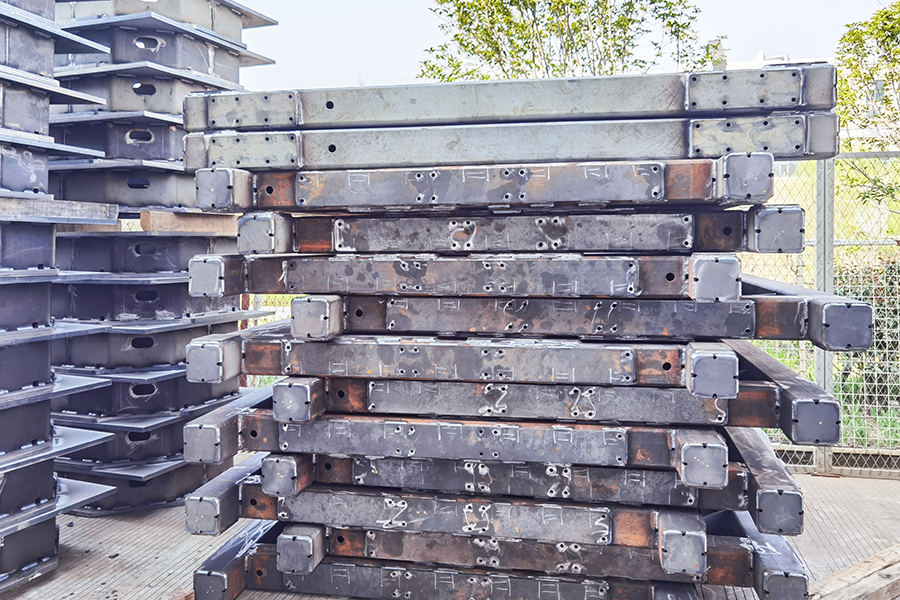
How Much Does Steel Structure Frame Welding Cost? When sourcing steel structure fram...
READ MORE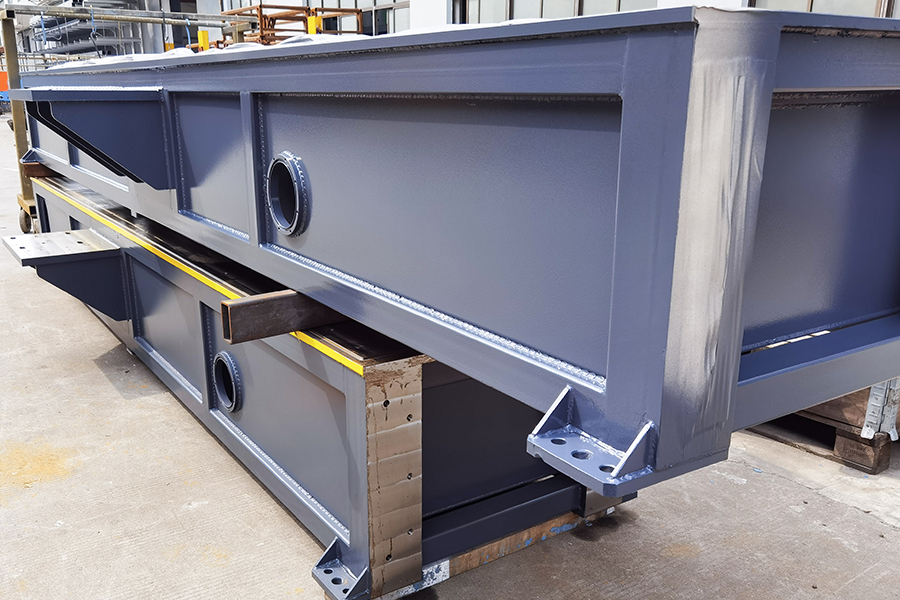
Why Professional Rack Welding Matters More Than You Think The structural integrity o...
READ MORE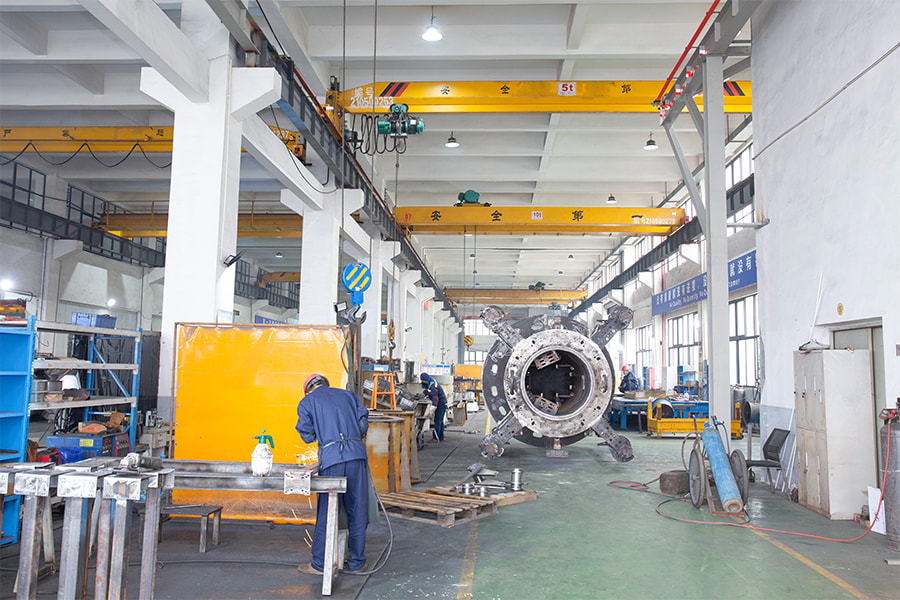
Large-scale construction projects demand materials and processes that guarantee reli...
READ MORE
Steel structure frame welding is a critical process in modern construction and indus...
READ MORE
No.158, Baoqun Road, Yaozhuang Town, Jiashan County, Jiaxing City, Zhejiang Province , China
0086 13857303563
+86-573-84893330 / +86-573-84518277
product