English
 日本語
日本語
 Deutsch
 Español
No.158, Baoqun Road, Yaozhuang Town, Jiashan County, Jiaxing City, Zhejiang Province , China
News
Home / News / Industry News / Why Choose Complete Equipment Steel Structures Over Traditional Building Methods?

Content
The construction industry has evolved significantly in recent years, with advancements in materials, techniques, and design. Among these developments, complete equipment steel structures have emerged as a preferred choice for many modern industrial projects.
The traditional methods of construction, often involving concrete and wood, have served as the backbone of building practices for centuries. However, as industries demand faster, more durable, and more flexible construction options, steel structures have become a game-changer. With the rise of complete equipment steel structures, businesses can now benefit from comprehensive solutions tailored to their needs. These structures are not only durable and efficient but also offer the flexibility of complete equipment manufacturing and customization, allowing for bespoke solutions that meet the specific demands of various industries.
One of the primary reasons complete equipment steel structures are favored over traditional methods is their unparalleled strength and durability. Steel, being one of the strongest materials available, offers superior resistance to environmental factors such as extreme weather, seismic activity, and corrosion. Unlike traditional building materials, which may degrade over time, steel structures are engineered to last longer, reducing the need for frequent repairs or replacements.
Moreover, steel is an inherently fire-resistant material, which adds an extra layer of safety to steel-constructed buildings. This resilience ensures that the building will withstand the test of time, minimizing maintenance costs and maximizing the long-term investment.
The speed of construction is another significant advantage of opting for complete equipment steel structures. Traditional building methods often involve multiple phases, including the curing of concrete and the assembly of complex frameworks. This can lead to long construction timelines, causing delays and increased labor costs.
In contrast, steel structures are prefabricated in a controlled environment and then assembled on-site. This prefabrication process reduces construction time significantly, allowing businesses to set up operations faster. The speed at which these structures can be built is especially important in industries where time-sensitive projects are crucial to success.
One of the standout benefits of complete equipment steel structures is the ability to customize the design according to the specific needs of the project. Whether it’s for manufacturing facilities, warehouses, or large-scale industrial plants, complete equipment steel structure OEM (Original Equipment Manufacturer) solutions provide flexibility that traditional construction methods cannot match.
Steel structures can be easily adapted to accommodate a variety of requirements, including different load-bearing capacities, dimensions, and layout configurations. With complete equipment manufacturing and customization, companies can ensure that their facilities are optimized for their operations, whether they need large open spaces for equipment or specialized areas for specific workflows.
While the initial investment in a complete equipment steel structure may seem higher than traditional construction methods, the long-term savings are significant. Steel buildings require less maintenance over their lifespan compared to buildings made with wood, brick, or concrete. Additionally, steel structures are more energy-efficient, reducing heating and cooling costs over time.
The ease of construction also leads to lower labor costs, as less time and effort are required to assemble a steel structure. Moreover, the ability to tailor the design to exact specifications means that businesses can avoid the costs associated with redesigning or retrofitting a building built with traditional materials.
In today’s world, sustainability is a crucial factor in decision-making for any construction project. Steel is one of the most recyclable materials available, and the construction of complete equipment steel structures contributes to reducing the carbon footprint of a building. Steel can be recycled repeatedly without losing its strength or quality, making it an environmentally responsible choice for the construction industry.
Moreover, steel buildings are designed to be energy-efficient, using materials that improve insulation and reduce the overall energy consumption of the facility. This results in lower environmental impact over the building’s lifecycle.
Steel is a low-maintenance material, which makes it an ideal choice for industries that require long-term functionality without the hassle of frequent repairs. Unlike wooden structures, which may need treatment for termites or decay, or concrete buildings that may crack or degrade over time, steel structures maintain their integrity without requiring extensive upkeep.
With the complete equipment steel structure OEM solutions, the customization options can also ensure that the structure is equipped with features that further reduce maintenance needs, such as corrosion-resistant coatings and built-in protection against environmental stressors.
Steel structures contribute to a safer work environment, both during the construction process and once the building is in operation. Steel’s strength and stability ensure that the structure remains intact under stress, reducing the risk of accidents. Additionally, the precision involved in steel fabrication minimizes the chances of structural failure due to manufacturing defects.
A key factor driving the adoption of complete equipment steel structures is the significant long-term savings achieved through energy efficiency. The insulation properties of steel buildings help to keep interior temperatures regulated, leading to reduced energy consumption. With increasing energy costs worldwide, businesses that choose steel construction can reduce their operational expenses in the long run.
Choosing complete equipment steel structures over traditional building methods offers numerous advantages, including enhanced durability, faster construction, greater customization, and long-term cost savings. The ability to tailor designs to specific operational needs through complete equipment manufacturing and customization makes steel structures an attractive option for industries across the board. Additionally, the environmental benefits, low maintenance requirements, and improved safety make steel buildings a forward-thinking choice for modern construction projects.
1. What is the difference between steel structures and traditional building methods?
Steel structures are prefabricated, durable, and require less maintenance compared to traditional materials like wood or concrete. They are also faster to construct.
2. Can steel structures be customized for different types of industries?
Yes, complete equipment steel structures offer significant customization options, making them ideal for a wide range of industries, from manufacturing to warehousing.
3. Are steel structures more expensive than traditional buildings?
While steel structures may have a higher initial cost, the long-term savings in maintenance, energy efficiency, and construction time make them a more cost-effective solution over time.
4. How does steel construction contribute to sustainability?
Steel is highly recyclable, reducing waste, and steel buildings are energy-efficient, which helps lower their environmental impact.
5. How long do steel structures last compared to traditional buildings?
Steel structures are highly durable and can last longer than traditional buildings due to their resistance to weather, corrosion, and other environmental factors.
How Much Does Steel Structure Frame Welding Cost? When sourcing steel structure fram...
READ MORE
Why Professional Rack Welding Matters More Than You Think The structural integrity o...
READ MORE
Large-scale construction projects demand materials and processes that guarantee reli...
READ MORE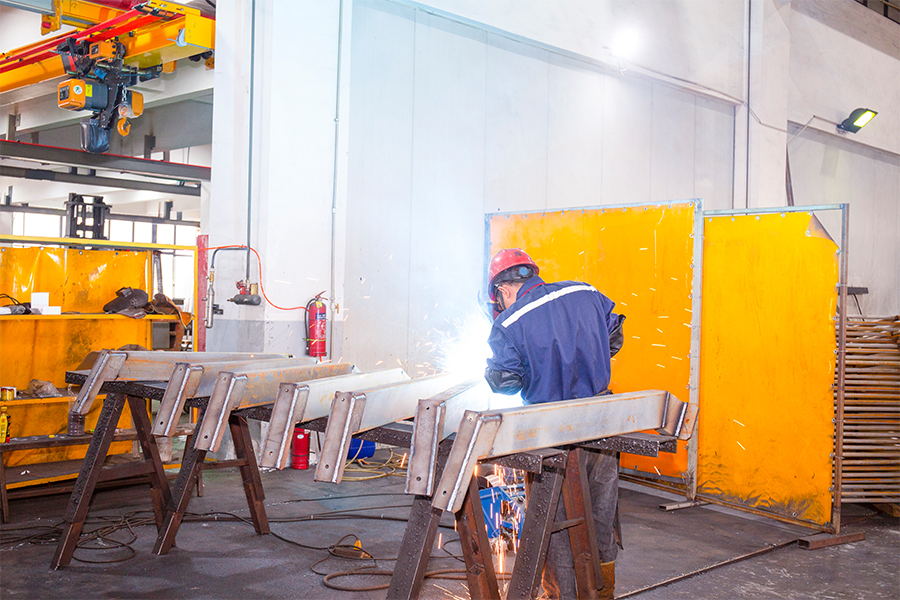
Steel structure frame welding is a critical process in modern construction and indus...
READ MORE
No.158, Baoqun Road, Yaozhuang Town, Jiashan County, Jiaxing City, Zhejiang Province , China
0086 13857303563
+86-573-84893330 / +86-573-84518277
product