No.158, Baoqun Road, Yaozhuang Town, Jiashan County, Jiaxing City, Zhejiang Province , China
In the modern manufacturing landscape, achieving durability and operational efficiency is paramount. One critical aspect that plays a central role in meeting these objectives is the design and implementation of complete equipment steel structures. Whether it’s for heavy industrial machinery, production lines, or other equipment, steel structures form the backbone of a manufacturing facility.
A complete equipment steel structure offers a holistic solution that integrates the components of a manufacturing system into a cohesive framework. By ensuring structural integrity and seamless operation, these systems optimize productivity while minimizing downtime.
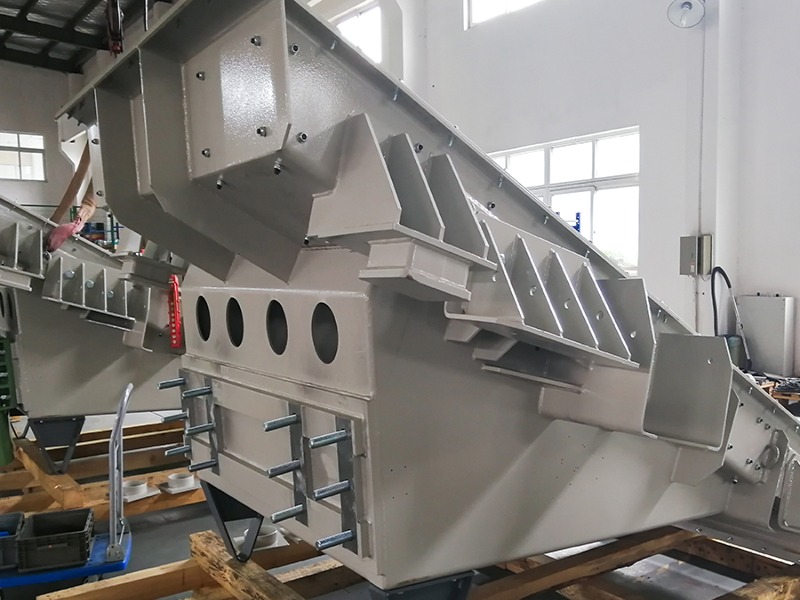
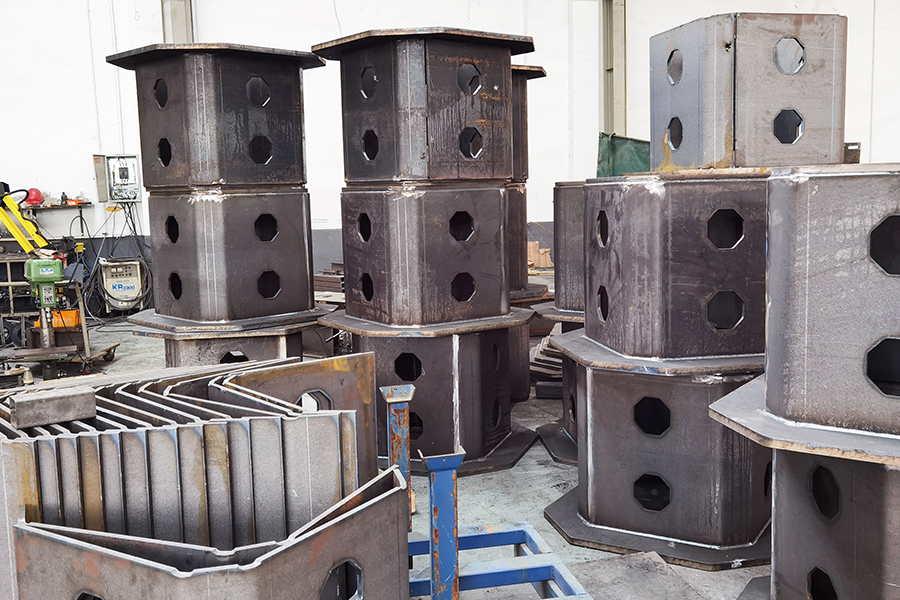
Complete equipment steel structures refer to the fully integrated steel frameworks designed to support and house manufacturing equipment. These structures are customized based on the specific needs of the manufacturing facility, ensuring a perfect fit for the equipment they support. Key aspects of these structures include the use of durable materials, precise engineering, and advanced fabrication techniques. Customization options allow for flexibility in design and functionality.
The steel structures can include:
Supporting frames for machinery and equipment.
Load-bearing columns and beams.
Walkways and platforms for operators.
Integration of other manufacturing components like piping and electrical systems.
Protective enclosures for safety and environmental control.
Enhanced Durability
Steel is renowned for its strength and longevity, making it an ideal material for construction in demanding manufacturing environments. Complete equipment steel structures are resistant to corrosion, wear, and fatigue, ensuring that the framework remains intact over long periods of operation.
Customization for Specific Needs
One of the standout benefits of complete equipment steel structures is the ability to tailor the design to the specific needs of a manufacturing facility. Customization can encompass everything from dimensions to load capacity, ensuring the structure can handle the weight and operational demands of the machinery and equipment it supports. Complete equipment manufacturing and customization allows for flexibility, ensuring optimal function across varied production processes.
Improved Operational Efficiency
The use of complete steel structures enhances efficiency by providing a stable and reliable foundation for all manufacturing components. Well-engineered steel frameworks contribute to smoother operations, reducing vibrations, and mitigating disruptions that could slow down production.
Reduced Downtime
Steel structures are designed to be low-maintenance and highly durable. As a result, manufacturers experience fewer disruptions, allowing for more consistent production schedules. The increased durability of the structure means fewer repairs and less risk of failure during operation.
Cost-Effectiveness in the Long Term
While the initial investment in steel structures may be higher compared to other materials, the long-term benefits—such as reduced maintenance costs, longer service life, and fewer interruptions—make it a cost-effective solution for manufacturers. Complete equipment steel structure OEM solutions offer manufacturers a solid return on investment through these efficiencies.
The design and manufacturing of complete equipment steel structures require a precise process that balances functional needs, safety standards, and environmental factors. Here’s an overview of the steps involved:
Planning and Design
The first step is assessing the needs of the facility and determining the load-bearing requirements. Engineering teams use software tools to design custom steel frameworks that meet these specifications, ensuring that the structure will perform optimally under real-world conditions.
Fabrication
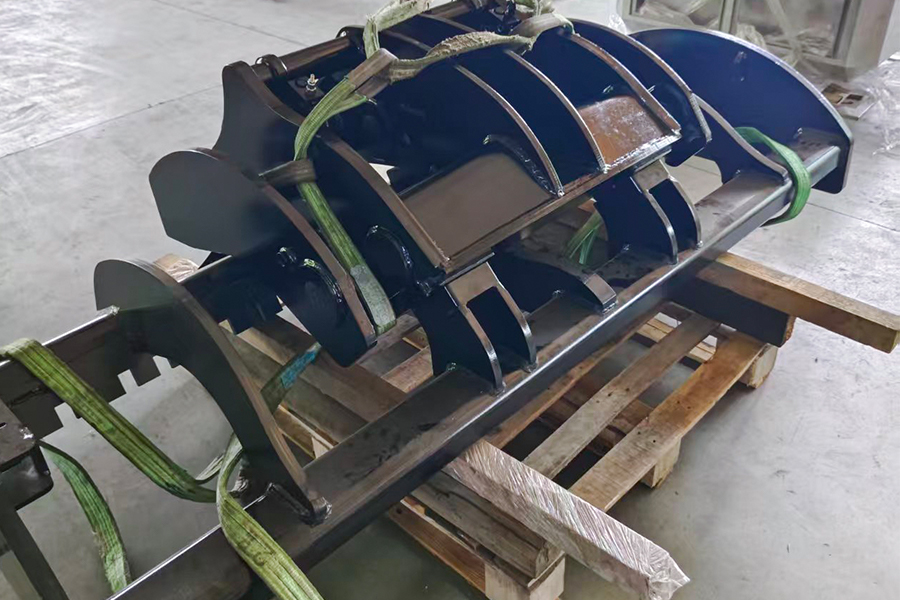
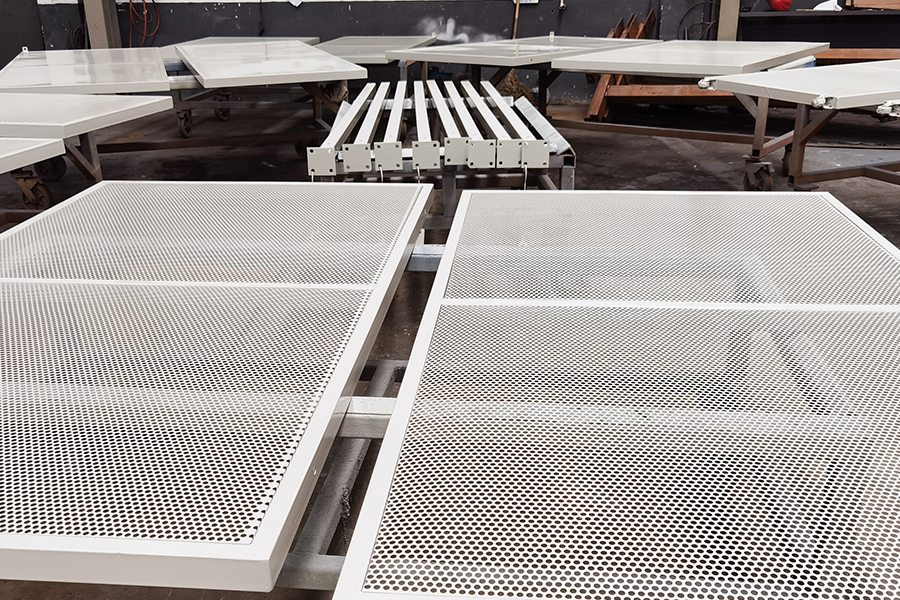
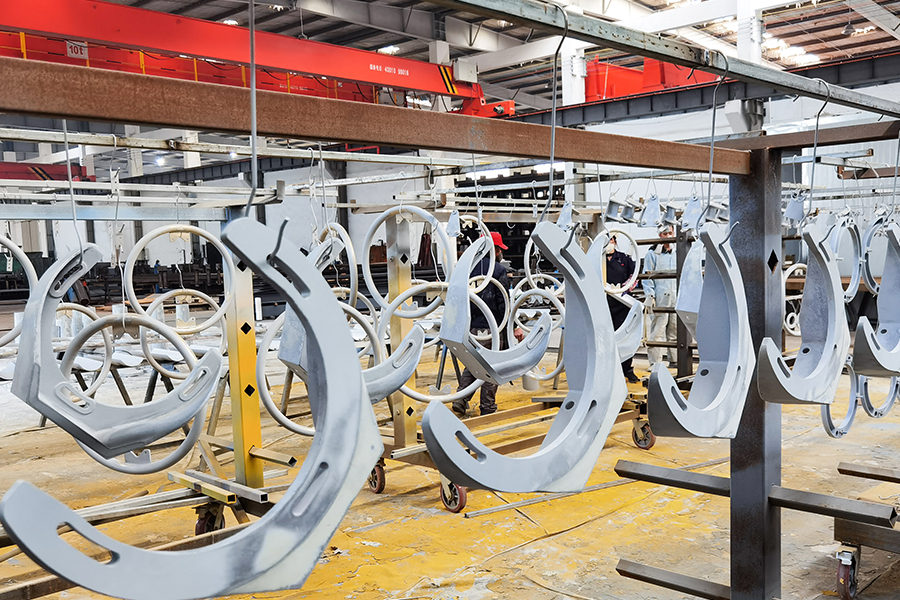
Once the design is finalized, fabrication begins. The steel is sourced, cut, bent, and welded according to the specifications. Modern equipment ensures precise measurements and high-quality welding. The process also involves surface treatments like shot blasting, sandblasting, and painting to protect the steel from corrosion.
Assembly and Installation
After fabrication, the individual components are assembled at the manufacturing facility and then transported to the site for installation. The steel structure is carefully put in place, ensuring all equipment is properly integrated into the framework.
| Feature | Benefit |
|---|---|
| Durability | Steel is strong, corrosion-resistant, and long-lasting. |
| Customization | Tailored designs to meet specific operational needs. |
| Load-bearing capacity | Supports heavy machinery and equipment. |
| Reduced Maintenance | Low maintenance requirements reduce downtime. |
| Operational Efficiency | Provides a stable foundation for smoother operations. |
Steel structures are used across various manufacturing industries, including:
Heavy Machinery Manufacturing
Steel structures are commonly used to support large industrial machinery, offering both stability and protection.
Automotive Manufacturing
In automotive production lines, steel frameworks provide the necessary foundation for heavy equipment and assembly lines.
Aerospace and Defense
In these industries, precision and reliability are critical. Steel structures ensure that the manufacturing equipment remains secure and stable, supporting complex production processes.
Energy and Power Generation
Steel structures are also used in energy plants, supporting turbines, generators, and other critical equipment. Their resilience to environmental factors is essential in these high-demand settings.
One company leading the way in providing custom equipment steel structures is Jiaxing Dingshi Machinery Manufacturing Co., Ltd. Founded in 2014, the company has established itself as a top-tier manufacturer of custom welded structural steel parts in China. With certifications such as EN1090, ISO3834, ISO9001, ISO14001, and ISO45001, we offer one-stop services that cover the entire manufacturing process—from cutting, bending, curling, leveling, welding, machining, shot blasting, sandblasting, spraying, and painting, to final assembly.
Our expertise in complete equipment manufacturing and customization has allowed us to serve a wide array of industries, ensuring that each product meets the specific needs of our clients.
1. What makes steel the preferred material for manufacturing structures?
Steel offers unmatched strength, durability, and resistance to wear, making it ideal for supporting heavy equipment in demanding manufacturing environments.
2. How does the customization process work for complete equipment steel structures?
Customization involves assessing the facility’s requirements, designing the structure to meet load-bearing capacities, and fabricating the steel components to fit the operational needs of the manufacturing process.
3. What industries use complete equipment steel structures?
Complete equipment steel structures are used in heavy machinery manufacturing, automotive production, aerospace, and energy generation, among others.
4. How do steel structures improve operational efficiency?
Steel structures provide a stable foundation, reducing vibrations and ensuring smooth operation, which in turn increases overall manufacturing efficiency.

Introduction In the modern manufacturing landscape, achieving durability and operatio...
READ MORE
Introduction Steel has long been a cornerstone of modern construction, valued for its...
READ MORE
Introduction In modern construction, the importance of durable and strong steel struc...
READ MORE
Introduction Metal structural parts welding processing is an essential aspect of mode...
READ MORE