English
 日本語
日本語
 Deutsch
 Español
No.158, Baoqun Road, Yaozhuang Town, Jiashan County, Jiaxing City, Zhejiang Province , China
News
Home / News / Industry News / What Is Steel Structure Frame Welding and Why Does It Determine Building Safety?

Content
steel structure frame welding is the process of joining structural steel members, such as beams, columns, trusses, and bracing components, into a single load-bearing skeleton for buildings, warehouses, bridges, and industrial facilities. Unlike decorative metalwork, this discipline focuses on load transfer, joint strength, and long-term structural stability under wind, seismic, and gravity loads.
Every welded connection in a frame carries forces that must move predictably through the structure. A poorly executed weld does not just look bad; it can become the weakest point in an otherwise well-designed system. This is why structural steel welding is governed by strict codes rather than general fabrication practices.
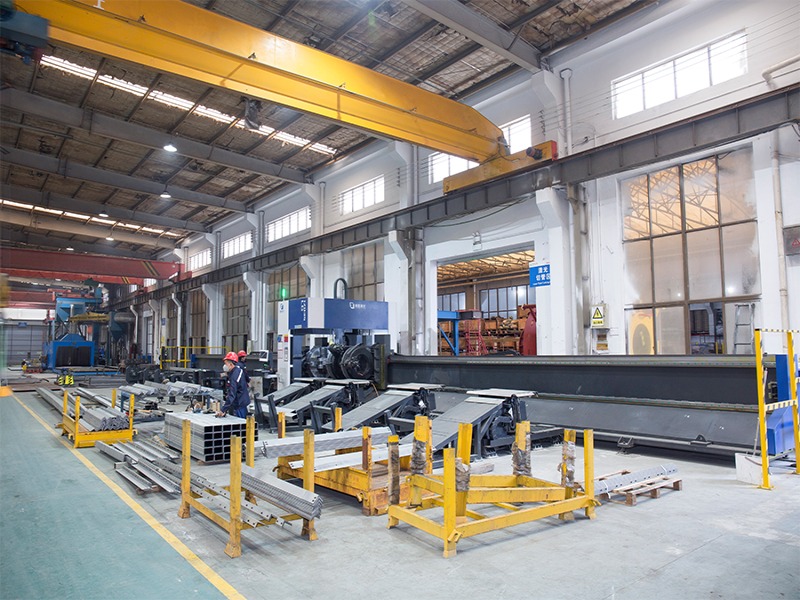
The strength of a steel structure is only as reliable as its weakest joint. Structural engineers design connections assuming full penetration or a specified fillet size, and any deviation changes the actual load path.
Consistent weld penetration maintains the designed strength of moment and shear connections
Proper heat control limits distortion that can misalign entire frame assemblies
Correct sequencing reduces residual stress that shortens fatigue life
Verified joints reduce long-term maintenance and inspection costs
Different welding processes suit different plate thicknesses, positions, and production volumes. Selecting the right method is part of what separates reliable steel frame fabrication from generic metalworking.
| Method | Best Use Case | Typical Thickness Range | Relative Speed |
|---|---|---|---|
| Shielded Metal Arc Welding | Field repairs, site connections | 3mm to 25mm | Moderate |
| Gas Metal Arc Welding | Shop fabrication, high-volume runs | 2mm to 20mm | Fast |
| Flux-Cored Arc Welding | Thick sections, outdoor sites | 5mm to 40mm | Fast |
| Submerged Arc Welding | Long straight seams, heavy columns | 10mm to 50mm | Very Fast |
For most carbon steel frame welding projects, shop environments favor gas metal arc or submerged arc processes due to speed and cleaner weld beads, while site erection often relies on flux-cored or shielded metal arc welding for flexibility in variable positions.
A dependable fabrication sequence reduces rework and keeps tolerances within code limits. Below is a simplified view of the stages involved.
Each stage feeds into the next, and errors caught early, such as poor fit-up or cutting inaccuracies, are far cheaper to correct than problems discovered after welding is complete.
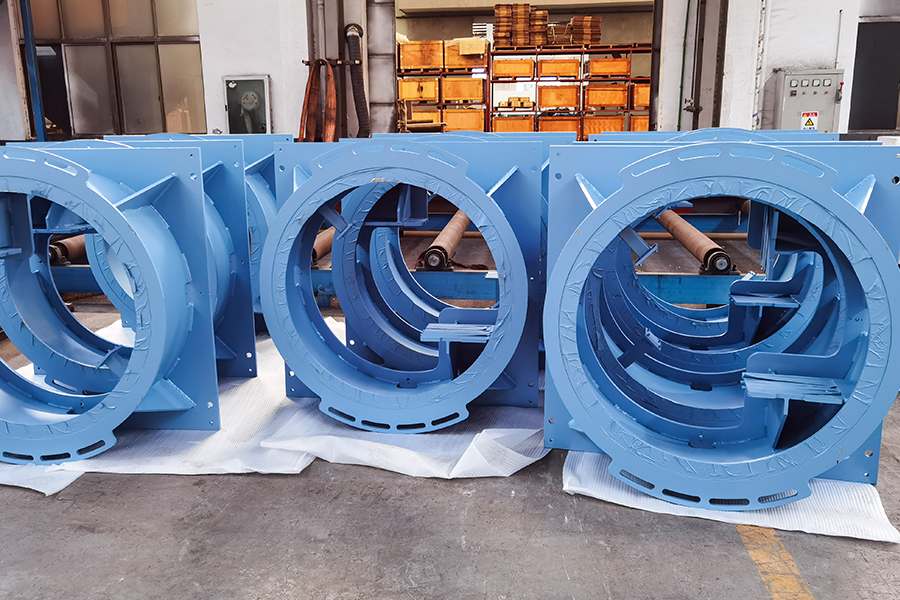
Material selection affects weldability, filler metal choice, and preheat requirements. The table below outlines common structural steel grades and their general welding characteristics.
| Material Type | Weldability | Common Application |
|---|---|---|
| Carbon Structural Steel | Good, minimal preheat needed | General building frames |
| High-Strength Low-Alloy Steel | Good with controlled heat input | Bridges, heavy industrial frames |
| Weathering Steel | Moderate, needs matched filler metal | Outdoor exposed structures |
| Galvanized Steel Sections | Requires coating removal near weld zone | Corrosion-prone environments |
Filler metal selection should match or slightly exceed the base metal's mechanical properties to avoid creating a weak point at the joint interface.
Pricing for structural steel fabrication varies widely based on project scope, but several recurring cost drivers appear across most projects.
Steel tonnage remains the largest single cost factor, often 40 to 60 percent of total fabrication cost.
Full penetration welds and multi-axis connections require more labor hours than simple fillet joints.
Projects requiring extensive nondestructive testing add both time and certification costs.
Galvanizing or specialty coatings applied after welding influence final project pricing.
Buyers evaluating structural steel welding quotes should request a breakdown of material, labor, and inspection costs rather than comparing only total figures, since scope differences can distort apples-to-apples comparisons.
Quality assurance combines procedural controls with physical testing. A structured approach typically includes the following checks.
Welding procedure specifications are qualified before production begins
Welder qualification records confirm operators are certified for the specific process and position
Visual inspection checks bead profile, undercut, and spatter control
Nondestructive testing methods such as ultrasonic or magnetic particle testing detect internal flaws
Dimensional checks confirm the finished frame matches design tolerances
Facilities offering dependable steel welding services typically document each of these steps, creating traceability that supports both safety audits and long-term maintenance planning.
Not every fabricator is equipped for every project type. When evaluating a steel structure frame welding manufacturer, consider the following criteria.
| Criteria | What to Check |
|---|---|
| Certified Welding Procedures | Written and qualified WPS documents on file |
| In-House Testing Capability | Nondestructive testing performed without third-party delay |
| Documented Traceability | Material and welder records linked to each joint |
| Relevant Project Experience | Prior work matching your frame type and scale |
| Capacity for Custom Sections | Ability to fabricate non-standard profiles and connections |
Requesting sample inspection reports or procedure qualification records from a prospective fabricator offers a clearer picture of capability than marketing materials alone.
It is the process of joining structural steel components, including beams, columns, and bracing, into a complete load-bearing frame using controlled welding methods that meet structural engineering specifications.
Structural steel is welded using processes such as shielded metal arc, gas metal arc, flux-cored arc, or submerged arc welding, chosen based on plate thickness, joint position, and production environment.
There is no single best method for every case. Shop fabrication often favors gas metal arc or submerged arc welding for speed and consistency, while field erection commonly uses flux-cored or shielded metal arc welding for positional flexibility.
Cost depends on steel tonnage, joint complexity, inspection requirements, and surface treatment. Material weight is typically the largest single contributor to overall project cost.
Common materials include carbon structural steel, high-strength low-alloy steel, weathering steel, and galvanized steel sections, each with different preheat and filler metal requirements.
Quality is ensured through qualified welding procedures, certified welders, visual inspection, nondestructive testing methods, and dimensional verification against design tolerances.
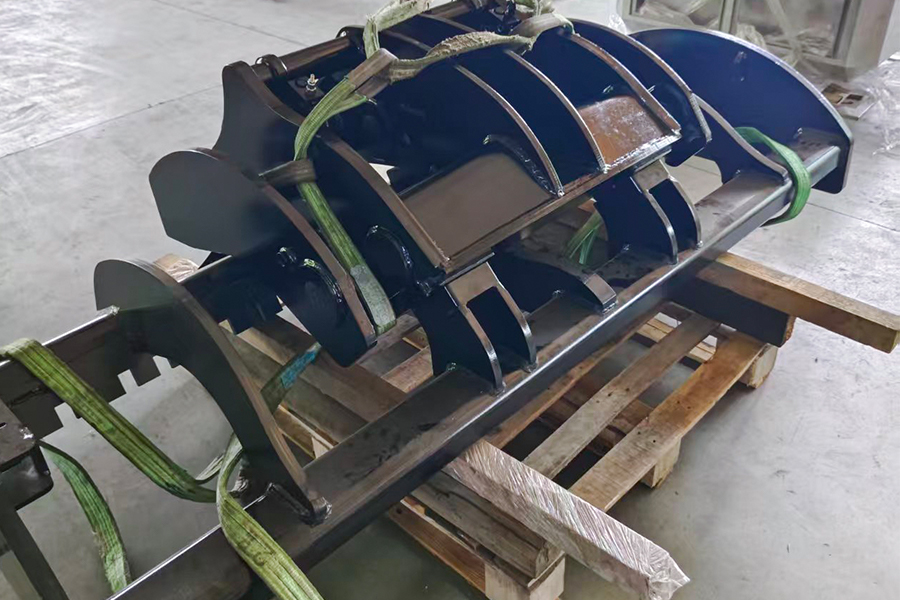
Why Steel Structure Frame Welding Fails: A Practical Diagnosis Guide Steel structure...
READ MORE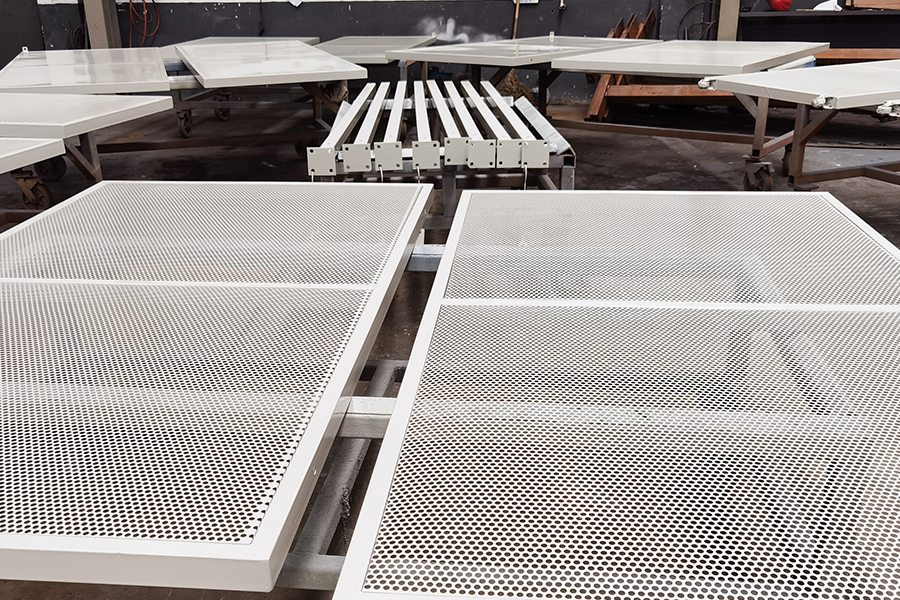
Storage racks carry heavy loads day after day, often for decades. The welds that ho...
READ MORE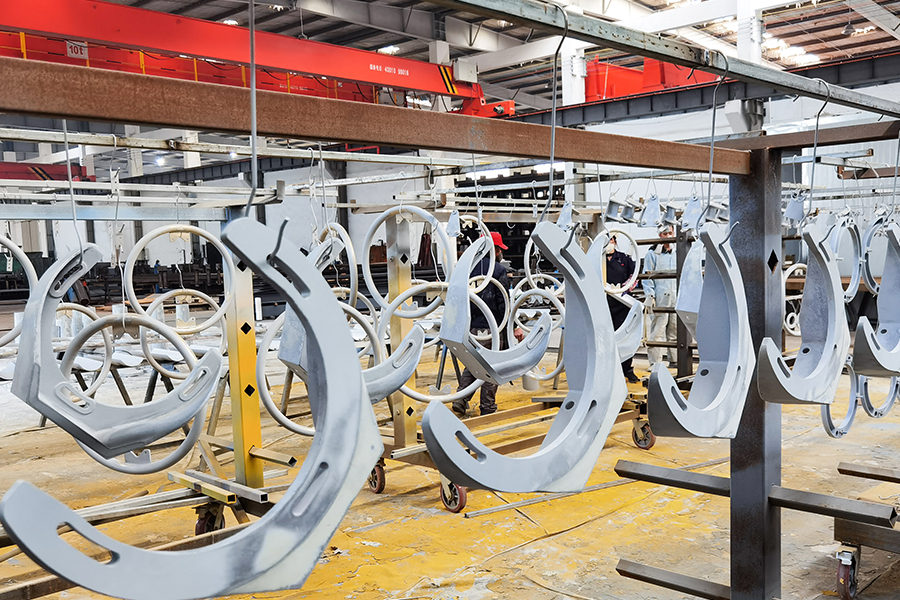
Understanding Heavy-Duty Steel Structure Welding Large-scale construction and indust...
READ MORE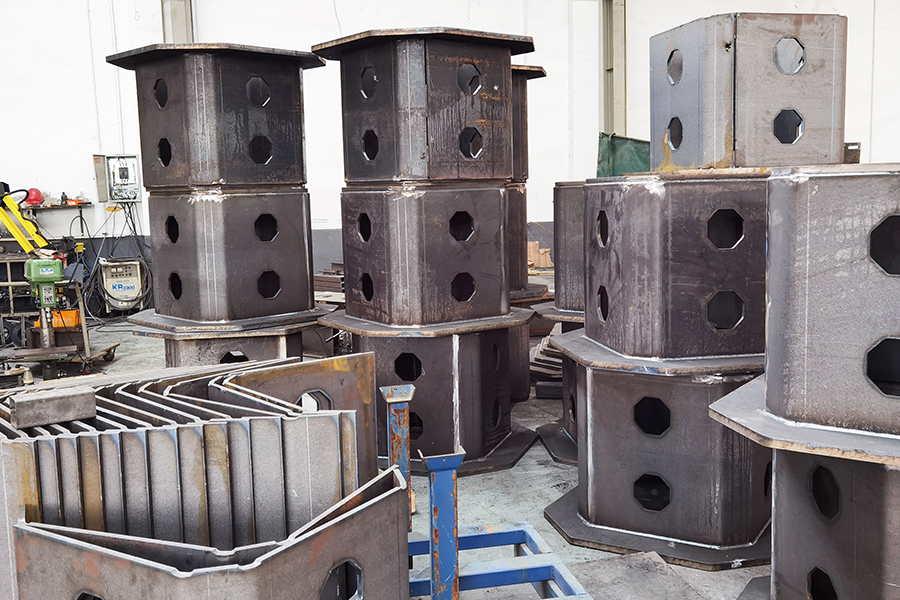
Why Equipment Structural Framework Welding Demands More Than Just a Welder Not all w...
READ MORE
No.158, Baoqun Road, Yaozhuang Town, Jiashan County, Jiaxing City, Zhejiang Province , China
0086 13857303563
+86-573-84893330 / +86-573-84518277
product