No.158, Baoqun Road, Yaozhuang Town, Jiashan County, Jiaxing City, Zhejiang Province , China
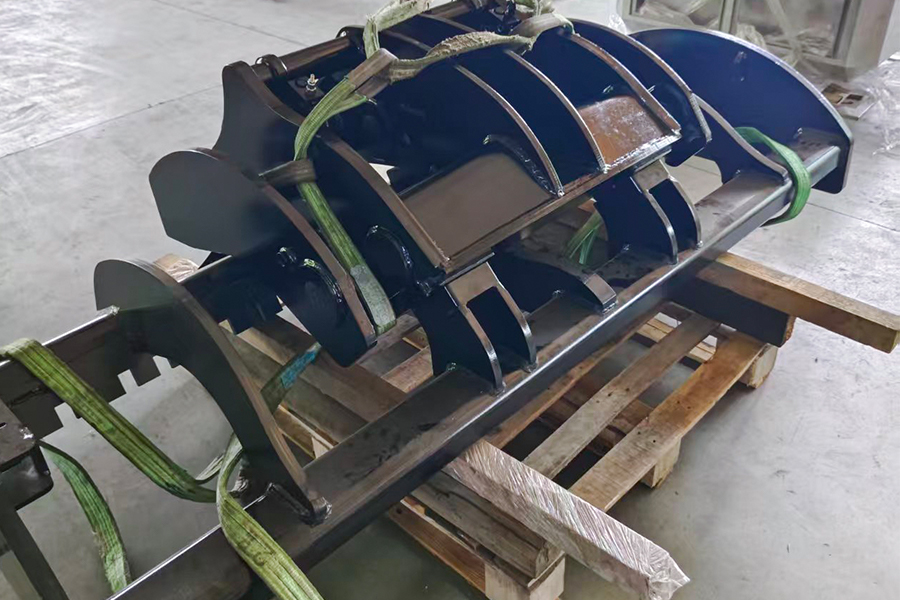
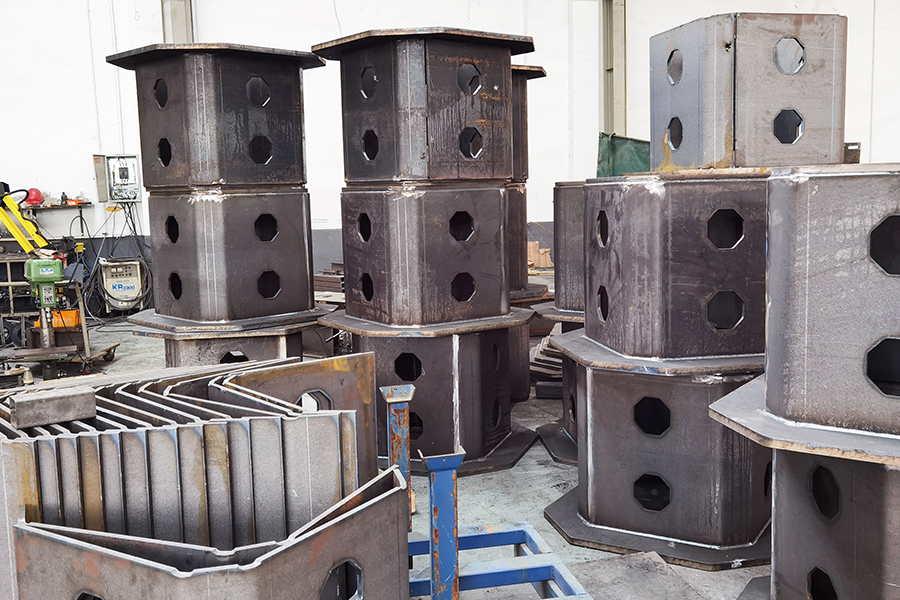
Metal structural parts play a critical role in numerous industries, ranging from construction and transportation to heavy machinery and energy production. Ensuring the reliability and strength of these components is essential, as any structural failure can result in catastrophic consequences. One of the most effective methods for enhancing the performance of metal structural components is metal structural parts welding processing. This technique not only unites separate elements into a single cohesive unit but also significantly improves mechanical properties, durability, and overall structural integrity.
Metal structural parts welding processing refers to the specialized techniques used to join two or more metal components to form a unified structure. Unlike mechanical fastening methods such as bolting or riveting, welding achieves metallurgical bonding at the atomic level. The process generally involves heating the metal surfaces to their melting point and allowing them to fuse, sometimes with the addition of filler material. The result is a seamless joint with mechanical properties comparable to, or in some cases exceeding, the base materials.
Key advantages of welding processing include:
The precision and quality of welding depend heavily on the expertise of the metal structural parts welding processing manufacturer, who must consider material types, joint design, welding parameters, and post-processing techniques.
Different welding techniques offer unique advantages for reinforcing metal structural parts. Some widely applied methods include:
| Welding Technique | Description | Impact on Structural Strength |
|---|---|---|
| Shielded Metal Arc Welding (SMAW) | Uses an electric arc and consumable electrode | Provides high tensile strength and reliable joints for thick components |
| Gas Tungsten Arc Welding (GTAW) | Employs non-consumable tungsten electrode with inert gas shielding | Offers precise control, minimal distortion, and excellent fatigue resistance |
| Gas Metal Arc Welding (GMAW) | Uses a consumable wire electrode and shielding gas | Ensures uniform welds suitable for both thin and thick metal plates |
| Submerged Arc Welding (SAW) | Arc is submerged under a flux layer to reduce oxidation | Produces deep penetration welds and consistent mechanical properties |
Each technique affects the metallurgical structure of the welded joint differently. The choice of method should be determined by the mechanical requirements of the metal structural part, its intended application, and cost-efficiency considerations.
The strength improvement of metal structural parts through welding is largely attributed to metallurgical transformations that occur during the process. When metals are heated to their melting point, several key changes take place:
Additionally, post-weld heat treatment (PWHT) is often employed to relieve residual stresses and optimize mechanical properties. PWHT can further enhance tensile strength, hardness, and fatigue resistance, making it a critical step for high-performance structural components.
The design of welded components plays a significant role in the final strength of the structure. Key considerations include:
By integrating these considerations, metal structural parts welding processing manufacturers can deliver components that meet rigorous safety and durability standards.
Ensuring the integrity of welded metal structural parts requires stringent inspection and quality control measures. Common techniques include:
| Inspection Method | Purpose | Benefits |
|---|---|---|
| Visual Inspection | Checks for surface defects such as cracks, porosity, or undercuts | Quick and cost-effective |
| Radiographic Testing (X-ray) | Detects internal defects and voids | Ensures deep penetration weld quality |
| Ultrasonic Testing | Evaluates internal bond strength and structural continuity | Non-destructive and highly accurate |
| Mechanical Testing | Measures tensile strength, hardness, and impact resistance | Verifies compliance with engineering standards |
Quality control ensures that welded metal structural parts achieve their intended performance, minimizing the risk of failure during service.
The applications of metal structural parts welding processing span multiple industries. Its ability to enhance strength and reliability is particularly valuable in:
In all these cases, the quality of the welding process directly correlates with the safety, longevity, and efficiency of the final product.
Engaging an experienced metal structural parts welding processing manufacturer provides several advantages:
Partnering with a skilled manufacturer ensures that each welded component achieves maximum strength and reliability.
Q1: What is the main benefit of metal structural parts welding processing?
A1: Welding processing significantly enhances the strength, durability, and load-bearing capacity of metal structural parts by creating metallurgical bonds between components.
Q2: How do different welding techniques affect structural strength?
A2: Techniques such as SMAW, GTAW, and GMAW influence penetration depth, heat distribution, and microstructure formation, all of which impact mechanical properties and fatigue resistance.
Q3: Why is post-weld heat treatment important?
A3: PWHT relieves residual stresses, refines grain structures, and optimizes mechanical properties, ensuring that welded joints maintain maximum strength and reliability.
Q4: Can welding processing be applied to all metals?
A4: While welding is versatile, material compatibility must be considered. Some alloys require specialized procedures to prevent cracking or distortion.
Q5: What role does a welding processing manufacturer play?
A5: A professional manufacturer provides expertise in materials, precise equipment, quality control, and compliance with engineering standards, ensuring reliable and strong metal structural parts.
In the world of industrial manufacturing, the selection of materials plays a pivotal ...
READ MORE
Steel structures play a crucial role in modern industrial and manufacturing environme...
READ MORE
Glass manufacturing is a complex process that involves various stages, including melt...
READ MORE
Metal structural parts play a critical role in numerous industries, ranging from cons...
READ MORE