No.158, Baoqun Road, Yaozhuang Town, Jiashan County, Jiaxing City, Zhejiang Province , China
Content
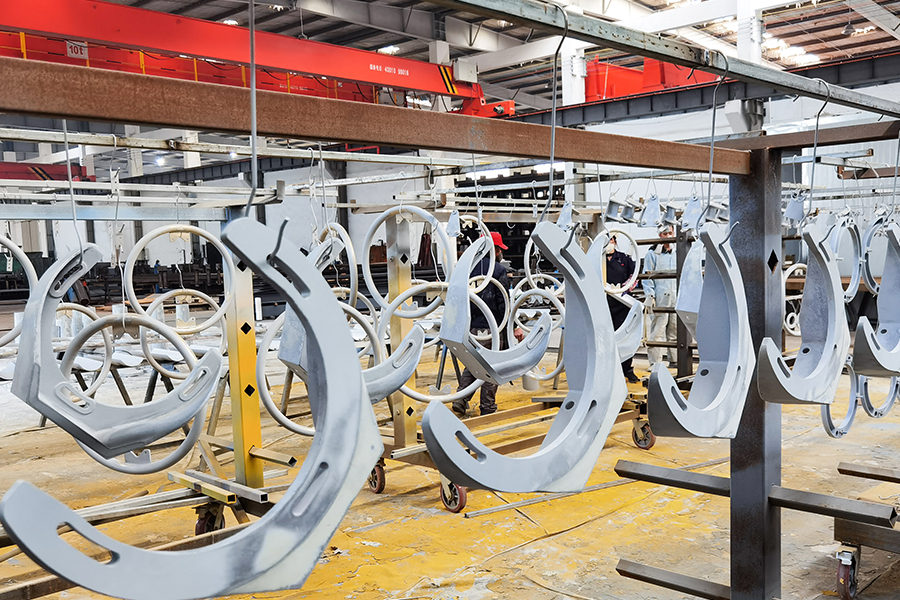
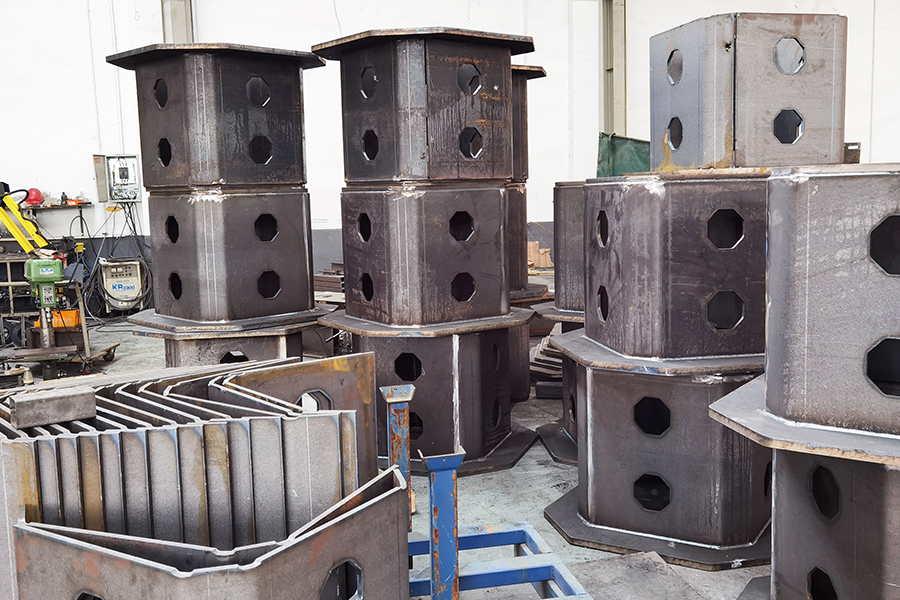
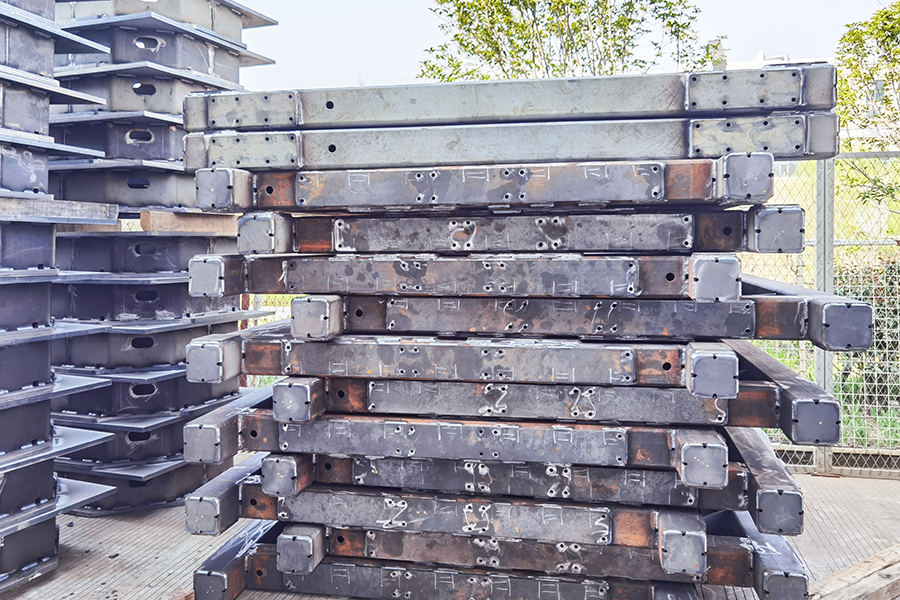
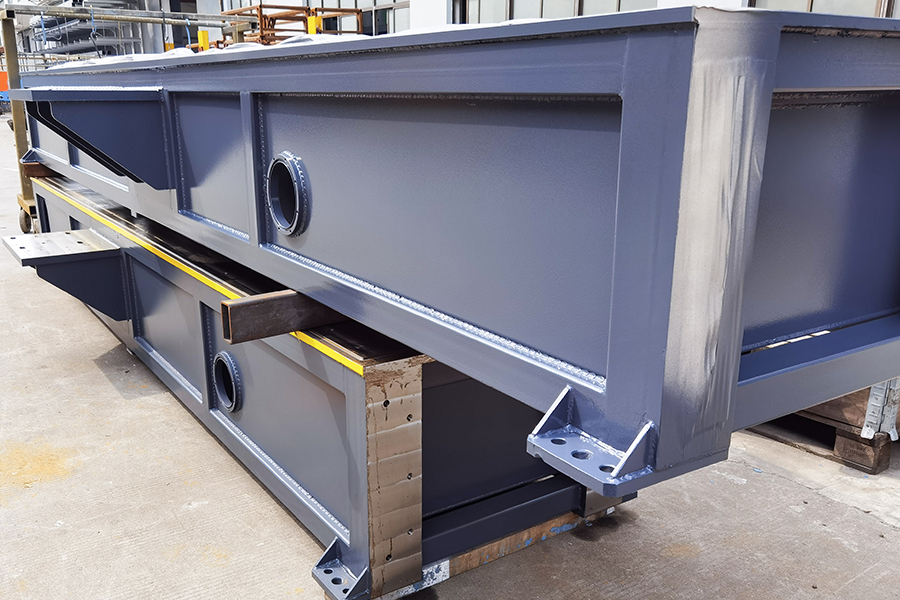
Welding is a crucial process in many industries, especially in manufacturing, construction, and heavy machinery production. A welding part is an essential element in the assembly of welded structures, and understanding the components of these parts can significantly influence the quality, durability, and efficiency of the final product.
What is a welding part?
A welding part refers to any component that is specifically designed to be welded into a larger structure. It may be made from various metals, including carbon steel, stainless steel, and aluminum alloys. These parts are fabricated to meet specific technical requirements and must undergo rigorous testing to ensure their integrity during the welding process.
Key characteristics of welding parts:
Material composition
Dimensions and tolerances
Strength and durability
Surface finish
The base material forms the foundation of any welding part. It is essential that the material used for welding is suitable for the type of welding process being employed.
Types of Base Materials:
Carbon steel
Stainless steel
Aluminum alloys
Nickel-based alloys
The choice of material greatly affects the weld’s strength, heat resistance, and overall performance.
Filler material is used to fill the joint between the base materials. This is vital in ensuring the continuity of the structure once welded. It must have properties that allow it to bond securely with the base material.
Types of Filler Materials:
Solid wire
Rods
Flux-cored wires
Filler material selection plays a significant role in determining the strength, corrosion resistance, and other physical properties of the welded joint.
Welding electrodes are used to create the arc needed for welding. They come in various forms depending on the process (e.g., MIG, TIG, Stick welding). The electrode must be chosen according to the material being welded, the welding technique, and the desired finish.
Types of Welding Electrodes:
Consumable electrodes (used for MIG and Stick welding)
Non-consumable electrodes (used for TIG welding)
The electrode’s material and coating affect arc stability, weld quality, and the ease of welding.
Shielding gas protects the weld pool from contamination by atmospheric elements, such as oxygen and nitrogen, which could otherwise cause defects in the weld.
Common Shielding Gases:
Argon
Carbon dioxide (CO2)
Helium
Mixed gases (argon-CO2 mixtures)
Different shielding gases are chosen based on the welding technique and materials, with each gas having its benefits for specific applications.
The welding machine is responsible for generating the necessary heat to melt the base material and the filler material. It must be properly calibrated to ensure consistent performance.
Types of Welding Machines:
MIG welders
TIG welders
Stick welders
Laser welders
The welding machine’s power, control features, and compatibility with materials all affect the quality and efficiency of the welding process.
The right material choice ensures better weld strength and resistance to factors like corrosion and temperature extremes. Material composition can also affect how easily a welding part can be formed, welded, and finished.
Using the appropriate filler material can significantly enhance the strength and durability of the weld. Filler materials that closely match the base material in composition ensure better bonding and reduced defects, leading to more efficient welding.
The type and quality of welding electrodes influence the stability of the arc and the heat generation, which affects the consistency and precision of the weld.
Using the correct shielding gas improves the quality of the weld by protecting the molten metal from atmospheric contamination, thus preventing issues like porosity and oxidation. It also impacts heat transfer and the final appearance of the weld.
Proper calibration of the welding machine is crucial for maintaining welding speed, consistency, and precision. Machines that are not well-calibrated may produce subpar results, increasing the time and cost of the welding process.
Efficient welding is not just about selecting the right components; it also involves optimizing the entire welding process. Here are some factors that contribute to welding efficiency:
Proper joint design and fit-up
Welding position and environment
Pre-heating or post-weld heat treatment
Regular maintenance of welding equipment
For complex projects, custom welding parts are often required to meet specific design needs. By providing tailored solutions, companies can ensure that welding parts are optimized for the task, reducing inefficiencies and improving overall performance.
Customized parts offer:
Tailored dimensions and strength
Specific material and process compatibility
Enhanced functionality for specialized applications
Customized welding parts help ensure that all project specifications are met, minimizing the need for modifications during or after the welding process.
Understanding the key components of welding parts and how they influence welding efficiency is critical for ensuring that welded structures are strong, durable, and cost-effective. By selecting the right materials, equipment, and techniques, manufacturers can optimize their processes and produce high-quality, custom-welded parts that meet exact specifications.
1. What are welding parts made from?
Welding parts are typically made from materials like carbon steel, stainless steel, aluminum alloys, and more. The material chosen depends on the project’s requirements.
2. How do welding electrodes affect the weld?
The quality and type of welding electrode used can impact arc stability, weld penetration, and overall weld quality.
3. What shielding gas should be used for welding?
The choice of shielding gas (such as argon, CO2, or helium) depends on the welding process and material. Each gas offers different benefits in terms of weld quality and speed.
4. How can custom welding parts improve efficiency?
Custom parts are designed to fit specific project requirements, reducing the need for rework and ensuring that the welding process is as efficient as possible.
5. What is the role of filler material in welding?
Filler material is used to fill the joint between two welded parts. Choosing the correct filler material ensures a strong, durable weld that adheres properly to the base material.
Each component in a glass production line serves a distinct and critical function. F...
READ MORE
Conclusion: Welding Processing delivers superior repeatability, throughput, and lon...
READ MORE
Conclusion: Proven Techniques for Superior Steel Frame Welding The most effective s...
READ MORE
In modern industrial manufacturing and structural engineering, the integrity of a wel...
READ MORE