No.158, Baoqun Road, Yaozhuang Town, Jiashan County, Jiaxing City, Zhejiang Province , China
Content
The structural integrity of your warehouse racking system depends on a single critical factor: the quality of every weld. A single compromised welding point can undermine the entire load-bearing capacity of your installation, creating safety hazards that extend far beyond the immediate structure.
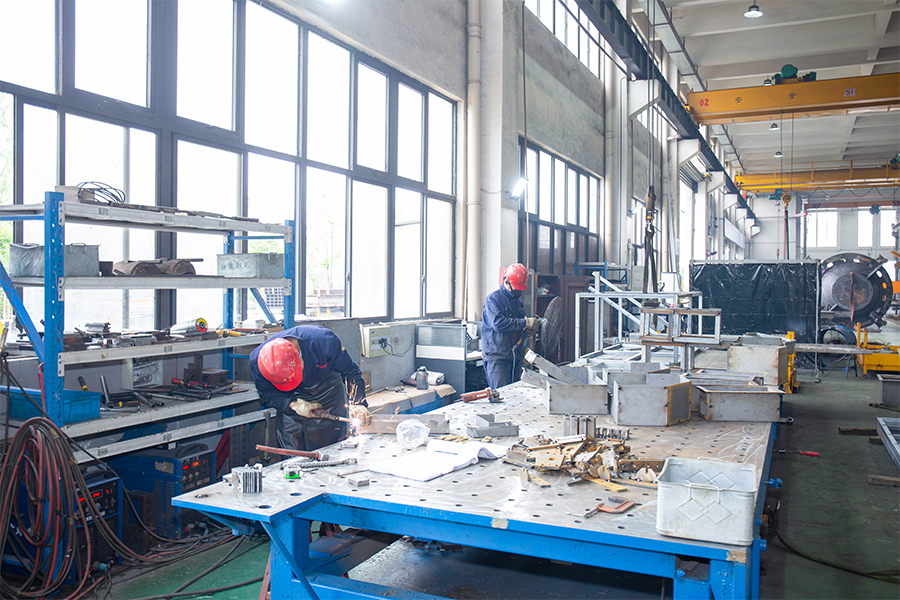
Unlike generic metal fabrication, rack welding factory operations must maintain exacting standards that align with international building codes and safety protocols. The uprights and beams of industrial racking systems experience continuous stress cycles as goods are loaded and unloaded, making weld quality not just a matter of durability, but of worker safety and regulatory compliance.
When you work with a professional manufacturer rather than a general welding shop, you gain access to specialized expertise in load-bearing structural calculations, stress analysis, and precision fabrication techniques that directly impact the longevity and reliability of your storage systems.
Professional warehouse rack welding manufacturer operations employ dedicated engineering teams who understand the specific demands of racking systems. These specialists analyze load distribution patterns, joint stress concentrations, and material properties to ensure every weld follows precise specifications.
General welding shops typically lack this specialized knowledge. They approach rack fabrication as a commodity service rather than an engineering challenge, resulting in welds that may technically hold but fail to optimize for the unique performance requirements of warehouse systems.
Professional manufacturers implement multi-stage quality verification protocols including:
Material composition testing before fabrication begins
Dimensional verification at intermediate production stages
Non-destructive testing such as ultrasonic and visual inspection
Load testing on sample components to verify design specifications
Final inspection against agreed-upon standards and documentation
These systematic checkpoints prevent defects from advancing through production, catching issues early when corrections are cost-effective rather than expensive emergency fixes after installation.
Professional rack welding operations maintain certifications that general shops rarely pursue:
EN1090 - European standard for structural steel execution, mandatory for installations in EU markets
ISO 3834 - Quality requirements for welding, demonstrating systematic quality management
ISO 9001 - General quality management systems covering all operational aspects
These certifications represent substantial investment in documentation, training, and process management. A manufacturer holding these credentials has demonstrated to third-party auditors that their systems consistently deliver quality results.
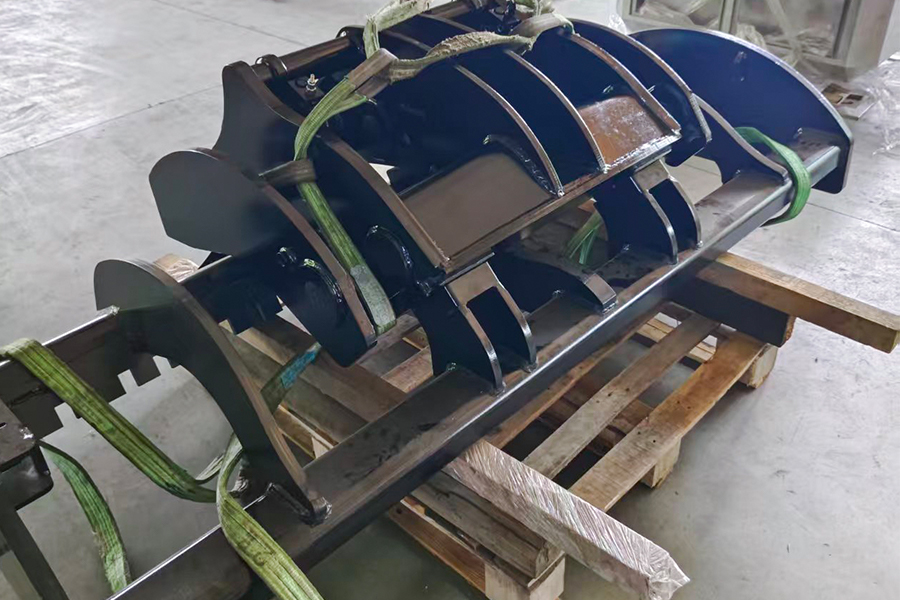
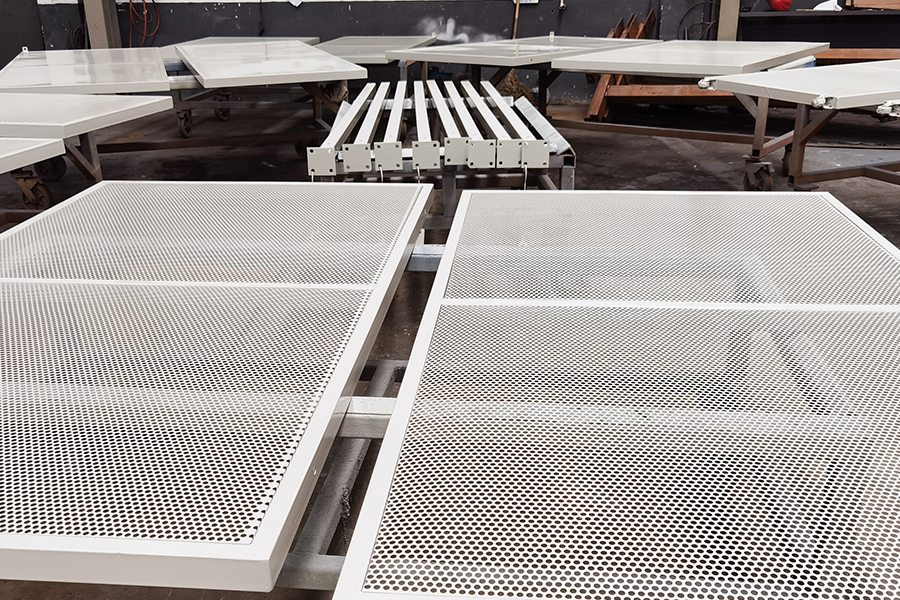
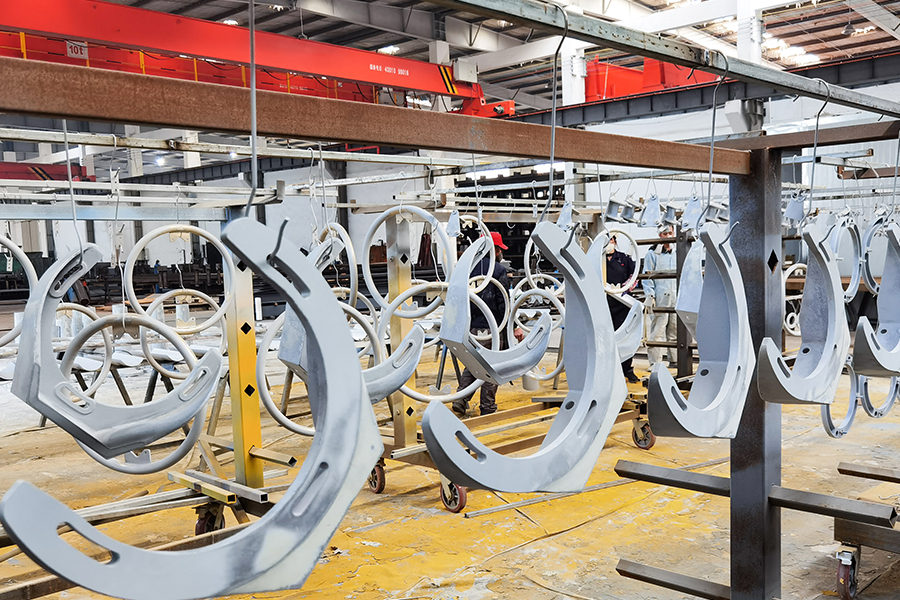
The physical capabilities of a manufacturing facility directly determine what quality and complexity levels are achievable. Professional steel rack welding service providers invest in equipment that enables precision far beyond what smaller operations can deliver:
Equipment Capabilities Checklist:
High-power laser cutting systems for precise component geometry
CNC press machines for consistent bending and forming operations
Large-format machining centers for critical mounting surfaces
Automated welding systems with programmable parameters
Comprehensive inspection and testing equipment
These systems enable manufacturers to maintain tolerances measured in fractions of millimeters across components that may span several meters. When uprights must align perfectly with beam connections, these tolerances matter significantly for installation ease and structural performance.
Professional manufacturers employ multiple welding methodologies, each suited to specific applications within rack systems:
| Welding Method | Applications in Rack Systems | Key Advantages |
|---|---|---|
| MIG Welding | Beam connections, upright assembly | Speed, consistency, minimal cleanup |
| TIG Welding | Critical load-bearing joints, thinner materials | Precision control, superior joint quality |
| Robotic Welding | High-volume standardized components | Repeatability, reduced variation, production speed |
The selection of welding method for each specific application reflects engineering judgment about stress patterns, material properties, and production efficiency. Manufacturers with diverse process capabilities can optimize for each distinct component rather than forcing all applications through a single methodology.
Professional operations maintain facilities and staffing levels that enable them to handle orders ranging from small custom configurations to large OEM contracts. This includes:
Manufacturing floor space sufficient for multiple concurrent projects
Trained workforce with diverse skill specializations
Supply chain relationships for material consistency and reliability
Inventory management systems for efficient material flow
Scheduling and project management systems for on-time delivery
When a customer requires customized racking for a new warehouse or facility retrofit, professional manufacturers can accommodate design modifications, material selections, and specification changes without disrupting their operations or compromising quality on other projects.
What it covers: EN1090 specifies requirements for execution of steel structures, including material selection, fabrication processes, tolerances, inspection, and documentation. It establishes three execution classes representing increasing levels of requirement severity.
Why it matters: If your racking system will be installed in European Union member states or used by companies with EU supply chain requirements, EN1090 compliance becomes mandatory. Non-compliant installations risk regulatory rejection, customer acceptance issues, and potential safety liability.
What it requires of manufacturers: Documented procedures for all processes, qualified welders with current certifications, regular inspection protocols, material traceability documentation, and third-party audits verifying compliance.
What it covers: ISO 3834 establishes quality requirements for companies performing welding work. It addresses welding procedure documentation, welder and technician qualifications, equipment maintenance, materials management, and process documentation.
Why it matters: This certification demonstrates that a manufacturer has implemented systematic quality management specifically for welding operations. It serves as evidence that the company maintains consistent processes and can reliably produce welds meeting specified requirements across multiple projects.
What it requires of manufacturers: Documented welding procedures qualified through testing, current welder certifications verified by examination, equipment maintenance schedules, material certificates for all welding consumables, and records of inspection and testing results.
What it covers: ISO 9001 addresses overall company quality systems, including management responsibility, resource planning, product realization, and continual improvement across all operations.
Why it matters: While broader than welding-specific standards, ISO 9001 certification indicates that a manufacturer has implemented systematic approaches to meeting customer requirements consistently. It covers order management, design verification, supplier management, delivery logistics, and customer satisfaction monitoring.
When evaluating a potential manufacturing partner, request to see current certification documentation from the issuing bodies. Verify that certifications are current and were recently audited. Certificates older than 3 years without recent audit reports suggest the manufacturer may not be maintaining the certified standards in actual practice.
Many warehouse applications can be met with standard racking configurations offered by established manufacturers. These products have been designed for common scenarios, tested for typical load scenarios, and can be installed relatively quickly with minimal engineering consultation.
Standard products make sense when:
Your warehouse follows typical dimensions and layout patterns
Load requirements fall within standard classifications
Installation timeline allows for standard lead times
Budget considerations prioritize cost reduction over customization
Future reconfiguration flexibility is not a priority
Large-scale warehouse projects, industrial installations, or applications with unusual requirements typically demand custom manufacturing:
Architectural or spatial constraints requiring non-standard dimensions
Load requirements exceeding standard system capacities
Integration with specialized material handling or automation systems
Specific environmental conditions (temperature extremes, corrosive atmospheres)
Regulatory requirements specific to industry or geography
Aesthetic or design requirements beyond basic functionality
When you engage a professional manufacturer for custom work, you enter into an ODM (Original Design Manufacturer) or OEM (Original Equipment Manufacturer) relationship:
ODM Engagement: You provide detailed specifications and design requirements. The manufacturer develops fabrication procedures, selects materials, and produces components to your specifications while maintaining control over manufacturing processes and quality systems.
OEM Engagement: The manufacturer develops custom designs based on your functional requirements and environmental constraints. This typically includes engineering analysis, design verification, prototype testing, and then production manufacturing.
Professional manufacturers experienced in these engagement models maintain dedicated engineering teams who can:
Review your designs for manufacturability and cost optimization
Perform finite element analysis for complex structural scenarios
Select optimal materials and processes for your application
Design and conduct prototype or pilot production runs
Manage design changes during development and production phases
Document all specifications for future reproduction or scaling
Request a facility visit or detailed equipment inventory. Evaluate whether the manufacturer possesses the specific capabilities your project requires:
Material preparation capacity: Can they process the gauge and type of steel your project specifies? Do they have laser cutting or shearing equipment for precise initial preparation?
Forming and bending capability: Do they have hydraulic press brakes with sufficient tonnage and precision for your component geometries?
Machining capability: Are critical mounting surfaces machined to specification, or are they expecting tolerances from initial shearing alone?
Welding equipment variety: Do they operate multiple welding processes, or are they limited to a single methodology?
Quality verification equipment: Do they maintain ultrasonic, eddy current, or other non-destructive testing equipment, or do they rely solely on visual inspection?
Testing and measurement: Can they perform load testing, dimensional verification, or material composition analysis in-house?
Request copies of current certifications and audit reports. Assess:
Current status and expiration dates of all certifications claimed
Dates and findings of most recent audit reports
Scope of certifications (what specific processes and products are covered)
Whether certifications are maintained by third-party accredited bodies
A manufacturer's history demonstrates whether they can successfully complete projects similar to yours:
| Assessment Area | Questions to Ask |
|---|---|
| Similar Project Completion | Have they completed projects of similar scale, complexity, and specifications? Can they provide project descriptions and timelines? |
| International Experience | Do they export to markets with strict standards? What certifications are they maintaining for international markets? |
| Quality Performance | What is their documented defect rate? Have they experienced returns or quality issues on similar projects? |
| On-Time Delivery | What percentage of projects are completed on schedule? How do they handle timeline extensions or rushes? |
Assess whether the manufacturer can provide technical support beyond basic execution:
Do they employ engineers who can review your design and offer optimization suggestions?
Can they perform load analysis or material selection recommendations?
How do they handle design modifications or engineering questions during production?
Do they provide technical documentation, material certs, and testing reports as standard practice?
Evaluate responsiveness and transparency:
How quickly do they respond to inquiries and clarification questions?
What project communication and status update processes do they use?
How do they handle unexpected issues or needed changes during production?
What documentation do they provide at completion, and in what timeframe?
The lowest-cost bidder rarely delivers the lowest total cost of ownership for critical infrastructure like warehouse racking. Consider the full lifecycle expenses:
Procurement cost: The quoted manufacturing price
Installation expenses: Cost implications of poor tolerances or quality issues that complicate installation
Maintenance and repair: Costs associated with addressing weld failures, corrosion issues, or structural problems
Downtime costs: Disruption from system failures or required maintenance that limits warehouse operations
Replacement timeline: Duration until failed systems require complete replacement
Regulatory and compliance: Potential costs from non-compliance with certifications required by regulations or customer contracts
A manufacturer who invests in quality systems, advanced equipment, and rigorous processes typically justifies a higher initial quote through superior long-term performance and reliability.
Evaluate whether the manufacturer can meet your delivery requirements without compromising quality:
What are their standard lead times for your project type?
Can they accommodate expedited timelines if needed? What is the premium?
How do rush orders affect their ability to maintain quality standards?
What safeguards prevent quality corners from being cut to meet aggressive timelines?
Rather than viewing manufacturer selection as a simple transaction, consider it as establishing a partnership that will support your project through design, production, delivery, and installation phases. Professional manufacturers who emphasize quality and certification demonstrate commitment to your project success rather than simple order fulfillment.
Insufficient or Outdated Certifications: If a manufacturer claims ISO 3834 or EN1090 certification but cannot produce current audit reports (within the last 12-24 months), their certification may have lapsed or may not reflect current practice.
Unwillingness to Discuss Quality Procedures: Legitimate manufacturers should confidently explain their quality control processes, testing methods, and material verification procedures. Vague answers suggest these processes may not be formalized or rigorously followed.
No Engineering Support Capability: Professional manufacturers maintain technical staff who can discuss your project specifications, review designs, and recommend optimizations. If you receive only basic manufacturing quotes without technical engagement, the manufacturer may lack depth.
Inability to Provide References: Established manufacturers with positive track records welcome reference requests. Reluctance to provide customer contacts or project examples suggests limited successful completed work or customer satisfaction issues.
Aggressive Cost Cutting Strategies: While competitive pricing is appropriate, manufacturers proposing significantly lower costs by eliminating material testing, reducing inspection, or shortening lead times are signaling they plan to cut quality corners.
Poor Communication Response Times: If a manufacturer is slow responding to your initial inquiries, this pattern will likely continue through the project. Delays in production communication can cascade into missed deadlines and installation problems.
Production Phase (2-6 Weeks): Manufacturer follows documented procedures, maintains quality checkpoints at material receipt, during assembly, and at completion. Regular communication should confirm production status. Request intermediate photos or updates for large orders.
Inspection Phase (3-5 Days): Final quality verification occurs before shipment. Professional manufacturers conduct dimensional verification, surface inspection, and functional testing where applicable. Documentation includes inspection reports and material test certificates.
Delivery (2-4 Weeks): Logistics coordination depends on shipping method and destination. Professional manufacturers arrange proper packaging to protect components during transit and handle customs documentation for international shipments.
Selecting a rack welding manufacturer represents more than a single transaction. The quality of your manufacturing partner directly influences your ability to meet customer commitments, maintain facility reliability, and achieve cost targets across the equipment lifecycle.
Professional manufacturers who invest in certifications, advanced equipment, and quality systems demonstrate commitment to continuous improvement. This commitment translates into benefits across your partnership:
Reliability: Consistent quality across multiple production runs reduces variance and troubleshooting needs during installation and operation.
Technical Support: Engineers available to discuss designs, review specifications, and recommend optimizations based on manufacturing experience with similar projects.
Documentation: Comprehensive records including material certificates, inspection reports, and testing data provide traceability and support warranty claims if needed.
Scalability: As your projects grow or specifications evolve, a manufacturing partner with proven capacity can expand their involvement without quality degradation.
Regulatory Support: Current certifications and updated procedures ensure your products comply with evolving regulations and customer requirements.
The warehouse racking industry has matured significantly over the past two decades. Infrastructure projects increasingly demand compliance with international standards, rigorous quality documentation, and engineering accountability. Manufacturers meeting these demands represent your best option for long-term project success and customer satisfaction.
1. Professional Manufacturing Delivers Measurable Value
Top-tier warehouse rack welding manufacturer operations provide capabilities far beyond basic welding services. Advanced equipment, systematic quality controls, and specialized expertise reduce risk and ensure project success.
2. Certifications Indicate Real Commitment to Quality
EN1090, ISO 3834, and ISO 9001 certifications represent substantial investment in process documentation, training, and third-party verification. These credentials credibly demonstrate a manufacturer's commitment to consistent quality.
4. Equipment Capability Directly Impacts Component Quality
Laser cutting, CNC machining, and advanced welding equipment enable manufacturers to maintain tolerances and quality levels impossible for basic welding shops. For precision-critical applications, equipment capability becomes a primary selection criterion.
5. Engineering Support Differentiates Premium Manufacturers
Dedicated engineering teams who review designs, perform analysis, and recommend optimizations add value beyond basic manufacturing. This capability becomes essential for custom or demanding applications.
6. References and Proven Track Records Matter
Experience completing similar projects successfully, references from satisfied customers, and documented on-time delivery performance provide confidence that a manufacturer can execute your project reliably.
7. Evaluate Total Cost of Ownership, Not Just Quote Price
The lowest-cost quote rarely delivers the lowest total lifecycle cost. Quality issues, installation delays, maintenance requirements, and warranty claims accumulate far beyond the initial manufacturing price for lower-tier manufacturers.
EN1090 is a European standard specifically for structural steel execution, addressing material selection, fabrication, tolerances, and documentation for steel structures. ISO 3834 is a quality standard specifically for welding operations, addressing welder qualifications, procedure documentation, equipment maintenance, and materials management. A manufacturer might hold ISO 3834 certification demonstrating welding quality systems but not EN1090, which requires broader structural compliance capabilities. For European markets or customers with strict requirements, both certifications or EN1090 specifically becomes essential.
Request copies of the actual certification documents along with the most recent audit report. Certifications should list the certifying body (such as an internationally accredited notified body). Contact the certifying organization directly if you have doubts, or request that the manufacturer provide evidence of a recent audit visit. Certificates should not be older than 3 years without current audit documentation, as this suggests certification maintenance may have lapsed.
Prioritize checking for laser cutting equipment or precision shearing systems for accurate initial material preparation, CNC press brakes with adequate tonnage for your component geometries, welding stations with multiple process capabilities (MIG, TIG, and ideally robotic options), and quality verification equipment such as ultrasonic testing devices, dimensional measurement tools, or load testing apparatus. The specific equipment priority depends on your application requirements, but advanced cutting and forming equipment typically differentiates professional manufacturers from basic shops.
Standard lead times typically range from 4-12 weeks depending on project complexity, material availability, and manufacturer current capacity. This includes quote preparation (3-7 days), engineering review if needed (5-15 days), material procurement (1-3 weeks), production (2-6 weeks), inspection (3-5 days), and delivery (2-4 weeks). Rush production is possible but typically commands significant price premiums and may compromise quality if the manufacturer cuts process steps. Discuss realistic timelines with manufacturers during your evaluation, and provide accurate specifications to avoid production delays from clarification needs.
Professional manufacturers provide material test certificates confirming that materials meet specified grades and properties, inspection reports documenting dimensional verification and quality checks, welding procedure specifications showing parameters used, welder certifications or qualifications documentation, and final product photos or specifications confirming delivery condition. For projects requiring compliance documentation, request signed quality assurance reports. This documentation supports warranty claims and provides traceability if issues arise during installation or operation.
International certifications like EN1090 and ISO 3834 provide third-party verification of quality systems, but some manufacturers operating in less regulated markets or serving primarily domestic customers may deliver excellent quality without formal certifications. However, for critical infrastructure, export applications, or projects requiring compliance with international standards, certifications become necessary. When evaluating non-certified manufacturers, inspect their quality control documentation, request references from similar projects, and consider the added risk if quality issues emerge in the field.
Communicate design changes to your manufacturing partner immediately, with detailed explanations of what changed and why. Professional manufacturers will assess the impact on production schedule, material costs, and any rework requirements. Some changes can be accommodated with minimal impact, while others might require production restart or significant cost adjustments. Documented communication about changes and approval from the manufacturer protects both parties and prevents disputes about responsibility for delays or additional costs.
Standard industry practice includes warranty periods typically ranging from 1-3 years depending on application. Quality failures during warranty should be addressed through the manufacturer's warranty process, which may include rework, replacement, or credit. Ensure that your contract specifies warranty terms, what constitutes a defect, who bears responsibility for rework or replacement logistics, and your process for reporting issues. Professional manufacturers with quality systems in place typically have clear warranty procedures and established processes for handling returns or repairs.
For large or critical projects, visiting the facility provides valuable insight into equipment capabilities, production organization, and workforce expertise. However, facility visits are not always practical, especially for international manufacturers. As an alternative, request detailed equipment lists, current photos of the facility and key equipment, video tours if available, and references from recent customers. Many professional manufacturers maintain virtual presentation capabilities that can provide adequate visibility without travel requirements.
Ideally, address concerns directly with your current manufacturer first, providing specific feedback about what needs improvement. If issues cannot be resolved to your satisfaction, begin evaluating alternative manufacturers while notifying your current partner of your concerns. When transitioning, ensure you have complete documentation of specifications, designs, and material requirements so your new manufacturer can maintain consistency. Build overlap time into your timeline to verify that the new manufacturer can meet your standards before completely discontinuing the previous relationship.
Why Professional Rack Welding Matters More Than You Think The structural integrity o...
READ MORE
Large-scale construction projects demand materials and processes that guarantee reli...
READ MORE
Steel structure frame welding is a critical process in modern construction and indus...
READ MORE
Equipment steel structure welding OEM services deliver customized fabrication solu...
READ MORE