English
 日本語
日本語
 Deutsch
 Español
No.158, Baoqun Road, Yaozhuang Town, Jiashan County, Jiaxing City, Zhejiang Province , China

Content
Steel structure frame welding is a critical process in modern construction and industrial fabrication. By joining steel components through welding, engineers create unified structures with exceptional strength and reliability. This comprehensive guide explores the mechanisms, benefits, and best practices of steel structure frame welding in enhancing structural integrity.
Steel frame welding represents a fusion-based joining method where two or more steel components are heated and merged into a single, continuous structure. Unlike mechanical fastening, welding creates a monolithic connection that distributes forces uniformly across the joint interface.
The welding process operates on three fundamental principles. First, heat application brings base metals to their melting point, typically ranging from 1200 to 1400 degrees Celsius. Second, a filler material bridges the gap, creating a metallurgical bond stronger than the parent metal itself. Third, proper cooling procedures ensure the weld exhibits uniform microstructure and optimal mechanical properties.
Steel structure welding technology has evolved significantly since its industrial adoption in the early 20th century. Modern steel frame welding techniques now incorporate automated systems, real-time monitoring, and advanced materials science. This evolution has increased productivity by approximately 300 percent while simultaneously reducing defect rates and improving structural reliability.
The superior strength of welded structures stems from several interconnected physical and metallurgical factors. Understanding these mechanisms is essential for optimizing structural design and ensuring long-term performance.
When steel components are welded, they form a continuous structural entity rather than discrete connected pieces. This continuity fundamentally changes how forces propagate through the structure. Instead of concentrated stress points at connection zones, loads distribute smoothly across the weld and parent metal interface.
The metallurgical bond created during welding achieves strength levels that frequently exceed those of the parent material. Research demonstrates that properly executed welds consistently achieve 95 to 110 percent of the tensile strength of the base steel. This exceptional performance occurs because the weld zone undergoes controlled solidification, creating a fine-grained microstructure that resists fracture propagation.
| Property | Welded Joint | Base Metal |
|---|---|---|
| Tensile Strength | 400-550 MPa | 360-500 MPa |
| Yield Strength | 280-420 MPa | 250-400 MPa |
| Elongation at Break | 18-25% | 20-28% |
| Impact Resistance | Excellent | Good to Excellent |
Fatigue failure occurs when structures experience repeated cyclic loading. Welded connections provide superior fatigue resistance compared to mechanical fasteners because stress concentrations are minimized through proper weld geometry and heat treatment. Structures utilizing welded joints can withstand significantly more load cycles before exhibiting fatigue-related failures.
Welded structures demonstrate dramatically increased load-bearing capacity compared to bolted or riveted alternatives. A welded frame can efficiently support distributed loads while maintaining structural integrity under dynamic conditions. This capacity increase typically ranges from 15 to 35 percent for equivalent structural weights, making welded solutions economically superior for demanding applications.
Because welded joints achieve full-strength connections with minimal geometric stress concentrations, designers can reduce overall structural weight while maintaining performance specifications. This weight reduction delivers cascading benefits including decreased transportation costs, simpler installation procedures, and reduced environmental impact throughout the structure's lifecycle.
Properly designed and executed welded structures exhibit exceptional durability. The absence of crevices and bolt holes eliminates moisture accumulation points, reducing corrosion initiation. Additionally, the continuous nature of welded construction prevents the localized corrosion that often occurs around fastener zones in bolted structures. Field data demonstrates welded structures routinely exceeding 50-year service lives with minimal maintenance.
Welded frame fabrication streamlines construction processes. Assembly procedures become more efficient, installation timelines compress, and overall project costs decrease. Automated welding systems further enhance productivity, enabling manufacturing facilities to complete complex frame assemblies with remarkable precision and consistency.
SMAW represents the traditional welding method, utilizing a consumable electrode coated with flux material. This technique delivers reliability and versatility, functioning effectively in outdoor environments and on contaminated surfaces. While slower than modern alternatives, SMAW produces exceptionally high-quality joints when performed by skilled operators.
GMAW employs a continuous wire electrode and shielding gas to create consistent, high-speed welds. This method dominates modern steel frame fabrication facilities due to superior deposition rates and exceptional weld quality. GMAW enables semi-automated processes, reducing labor costs while improving consistency and reproducibility.
FCAW combines characteristics of SMAW and GMAW, utilizing a tubular electrode containing flux material. This technique delivers excellent penetration characteristics and performs reliably in outdoor conditions, making it ideal for field welding applications and large structural assemblies.
SAW represents the premium technique for heavy structural steel welding. A granular flux submerges the arc zone, enabling deep penetration and exceptional weld quality. This method produces minimal spatter, requires no gas shielding, and demonstrates excellent ductility in final welds. SAW dominates in fabrication shops specializing in heavy steel structures.
Ensuring welded structures achieve expected strength requires rigorous quality control throughout fabrication. Modern facilities employ comprehensive inspection protocols combining visual assessment, non-destructive testing, and mechanical verification.
Qualified inspectors examine weld appearance, checking for surface defects including cracks, porosity, incomplete fusion, and improper bead geometry. Visual inspection identifies approximately 70 percent of potential weld defects, making it the foundation of quality assurance programs.
Destructive testing validates weld properties through tensile testing, bend tests, and impact testing. Test samples extracted from welded structures undergo controlled loading to failure, providing definitive verification of mechanical performance. These tests confirm that welds meet or exceed specified strength requirements.
Achieving maximum strength benefits from structural steel welding requires adherence to proven design principles. Engineers who understand welding characteristics and limitations can optimize designs for both strength and manufacturability.
Proper joint design minimizes stress concentrations and ensures complete penetration. Recommended practices include adequate root opening to prevent incomplete fusion, appropriate heat input to achieve full strength development, and weld sizes scaled appropriately to base metal thickness.
Matching filler materials to base steel properties ensures weld strength exceeds parent metal performance. High-carbon steels require specific preheat temperatures and controlled cooling rates to prevent cracking. Low-carbon steels weld readily with minimal special requirements, making them economical for most applications.
Welding generates residual stresses through non-uniform heating and cooling cycles. Strategic design approaches including stress-relief heat treatment, controlled welding sequences, and symmetrical welding patterns minimize residual stress development. Reducing residual stress improves fatigue life and reduces distortion in finished structures.
Designs should facilitate complete welding and inspection accessibility. Cramped joint geometry complicates welding procedures, increases defect potential, and prevents proper quality verification. Generous joint spacing ensures reliable fabrication and comprehensive inspection capability.
Welded steel structures demonstrate exceptional performance across diverse applications. Performance data provides quantifiable evidence of strength improvements and reliability benefits.
Welded bridge structures constructed 40 years ago continue serving heavy traffic loads with minimal fatigue-related issues. High-rise buildings utilizing welded steel frames have withstood multiple earthquakes without structural failure. Industrial pressure vessels fabricated through welding operate safely for decades under demanding cyclic loading conditions. These examples demonstrate that properly designed and executed welded structures deliver unmatched longevity and reliability.
While initial fabrication costs for welded structures may slightly exceed bolted alternatives, lifecycle cost analysis consistently demonstrates welded solutions as economically superior. Reduced maintenance requirements, extended service lives, and superior material efficiency offset initial fabrication expenses. Structures designed and fabricated through welding typically cost 10-20 percent less over their complete lifecycle compared to mechanically fastened alternatives.
Manufacturing facilities, power plants, and processing plants rely exclusively on welded steel structures. These environments demand exceptional strength, fatigue resistance, and durability under continuous operation. Welded frames provide the structural reliability these demanding applications require.
Bridges, overpasses, and transportation infrastructure utilize extensive welding in structural frameworks. The continuous nature of welded construction enables engineers to design efficient structures that safely accommodate dynamic loads from vehicular traffic.
Modern skyscrapers depend entirely on welded steel frames to achieve the strength-to-weight ratios required for tall structures. Welded connections enable efficient transfer of wind and seismic forces through the structural system, ensuring occupant safety during extreme weather events.
Pressure vessels, storage tanks, cranes, and specialized machinery utilize welded construction to achieve required performance specifications. These applications demand weld quality verification and often incorporate redundant design features to ensure operational safety.
Localized heating during welding causes differential thermal expansion, potentially resulting in component warping or dimensional inaccuracy. Experienced fabricators mitigate distortion through controlled welding sequences, balanced heat input, and strategic clamping procedures during fabrication.
Hydrogen absorption during welding can cause delayed cracking in susceptible steel compositions. Prevention requires controlled preheat temperatures, limited heat input, and proper post-weld heat treatment procedures. Understanding base metal hydrogen sensitivity guides appropriate fabrication procedures.
Rapid cooling of thick-section welds can produce internal cracking due to residual stress accumulation. Controlled cooling rates achieved through preheat and interpass temperature control prevent crack initiation. Fabricators carefully monitor cooling cycles to ensure crack-free welds.
Achieving consistent weld quality demands skilled operators and rigorous quality control procedures. Automated systems reduce operator skill requirements and improve consistency, but initial equipment investment increases fabrication costs for smaller production volumes.
Emerging technologies promise to enhance welding capabilities and expand application possibilities. Advanced monitoring systems employ artificial intelligence to detect defects in real-time, enabling immediate corrective action before structural material is compromised. Laser welding techniques enable precision joins with minimal heat-affected zone distortion. Robotic systems continue advancing, increasing automation and eliminating skilled labor requirements for routine fabrication tasks.
Sophisticated robotic welding systems now replicate and exceed human operator performance. Collaborative robots work alongside human craftspeople, handling repetitive tasks while allowing workers to focus on complex geometric challenges and quality verification. This integration improves productivity while maintaining flexibility for custom projects.
Internet-connected welding equipment transmits real-time data regarding arc characteristics, temperature profiles, and deposition rates. Machine learning algorithms analyze this data to predict potential quality issues before welds are completed. Digital traceability ensures complete documentation of fabrication parameters for each weld in a structure.
New steel formulations engineered specifically for welding applications exhibit enhanced weldability while maintaining superior strength properties. These advanced steels reduce defect potential and enable faster welding speeds without sacrificing joint quality.
Steel structure welding aligns with sustainable construction practices through multiple mechanisms. Welded structures utilize material efficiently, reducing overall steel consumption compared to mechanical fastening approaches. The longevity of welded structures extends service life, reducing replacement frequency and associated environmental costs.
Welded joint designs typically require smaller connection components compared to bolted alternatives. This material efficiency translates directly to reduced steel production and associated carbon emissions. Lighter structures consume less energy during transportation and installation, further reducing environmental impact.
Steel structures reach end-of-life when requirements change or structures become obsolete. Welded structures present distinct recycling advantages. Complete steel recycling preserves material properties indefinitely, enabling infinite recycling cycles. Unlike bolted structures that scatter fasteners throughout the structure, welded steel concentrates material in a unified form, facilitating efficient recovery and reprocessing.
Properly executed welded joints achieve 95 to 110 percent of the tensile strength of parent steel. This superior strength results from continuous metallurgical bonding and reduced stress concentrations. Bolted connections typically achieve 70 to 80 percent of parent metal strength due to stress concentrations around fastener holes.
Most common construction steels weld readily with appropriate procedure selection. High-carbon steels and certain alloy steels require special precautions including preheat treatment and controlled cooling. Stainless steels and specialty alloys demand specific filler material selection to ensure weld integrity. Material composition determines welding difficulty and required procedural controls.
GMAW represents the optimal balance between speed, quality, and cost for most structural applications. SMAW remains economical for smaller projects or outdoor work where equipment simplicity offers advantages. SAW delivers premium quality at slightly higher costs, appropriate for mission-critical structures where weld quality justifies additional expense.
Properly designed and fabricated welded structures routinely exceed 50 years of service. Many welded bridges and buildings constructed in the 1950s and 1960s remain in active service. Longevity depends on environmental exposure, loading conditions, and maintenance protocols rather than inherent welding limitations.
Most weld-related failures in service result from design deficiencies, inadequate inspection, or unanticipated loading conditions rather than fabrication quality issues. Poor joint geometry, undersized connections, and insufficient fatigue analysis account for the majority of structural failures. Rigorous design review and comprehensive inspection prevent virtually all weld-related failures.
Post-weld heat treatment importance depends on base material composition and service conditions. Low-carbon steels typically require no heat treatment beyond stress relief. High-carbon and alloy steels often benefit from heat treatment to restore toughness and relieve residual stresses. Critical applications frequently mandate stress-relief heat treatment regardless of material type.
Converting bolted structures to welded construction presents significant challenges. Existing connections must be carefully prepared, heat-affected zones controlled, and welds inspected to verify quality in confined spaces. While feasible, retrofitting typically costs more than new construction using welded techniques from inception.
Structural steel welders typically require formal training, certification examinations, and regular recertification to maintain competency. Different welding techniques demand specific skill development. Critical applications often mandate additional training and qualification beyond standard certification requirements.
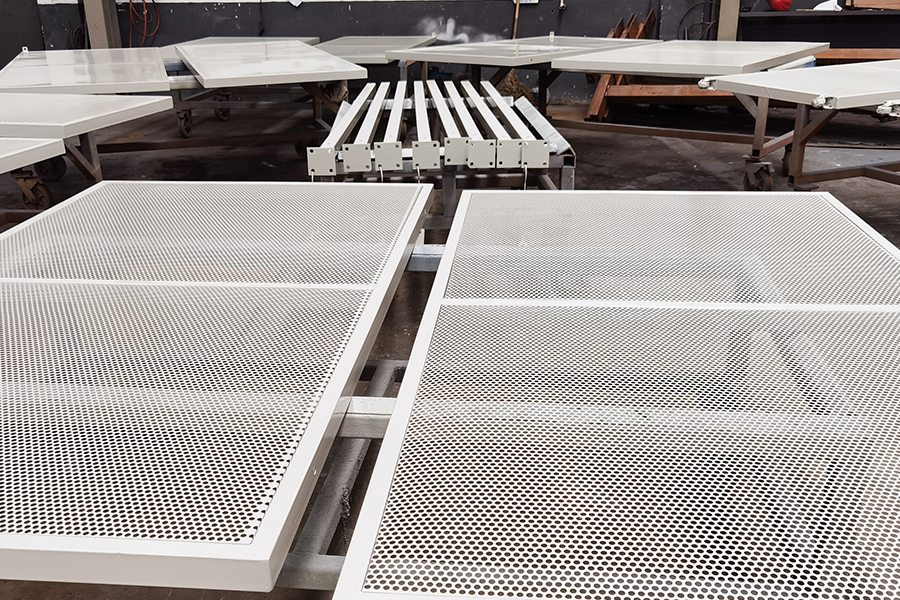
Storage racks carry heavy loads day after day, often for decades. The welds that ho...
READ MORE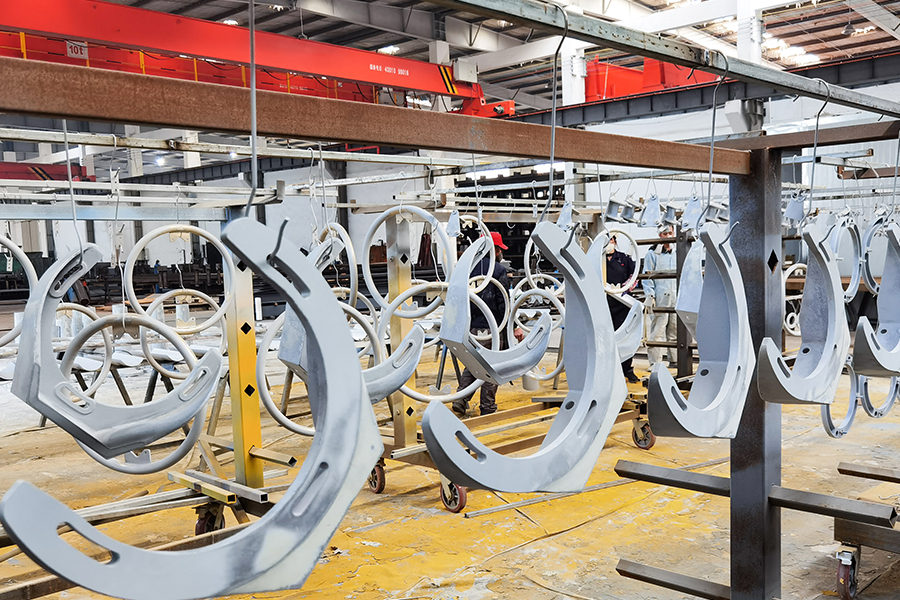
Understanding Heavy-Duty Steel Structure Welding Large-scale construction and indust...
READ MORE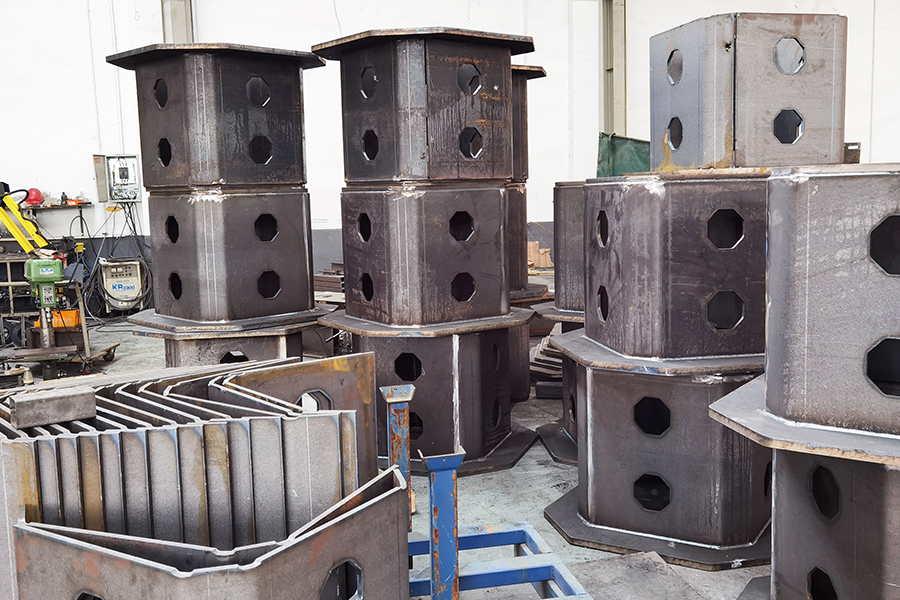
Why Equipment Structural Framework Welding Demands More Than Just a Welder Not all w...
READ MORE
How Much Does Steel Structure Frame Welding Cost? When sourcing steel structure fram...
READ MORE
No.158, Baoqun Road, Yaozhuang Town, Jiashan County, Jiaxing City, Zhejiang Province , China
0086 13857303563
+86-573-84893330 / +86-573-84518277
product