English
 日本語
日本語
 Deutsch
 Español
No.158, Baoqun Road, Yaozhuang Town, Jiashan County, Jiaxing City, Zhejiang Province , China
News
Home / News / Industry News / How Do Material Choices Impact the Performance of Manufacturing Equipment Structures?

Content
In the world of industrial manufacturing, the selection of materials plays a pivotal role in the overall performance, longevity, and efficiency of equipment structures. This includes everything from the structural integrity of the equipment to its ability to perform under specific environmental conditions.
Manufacturing equipment structures are the backbone of industrial operations, providing the essential support and functionality for machinery that drives production. These structures are subjected to dynamic forces, heavy loads, and, in some cases, extreme environmental conditions. As such, the choice of materials for building these structures is crucial to ensure durability, performance, and safety.
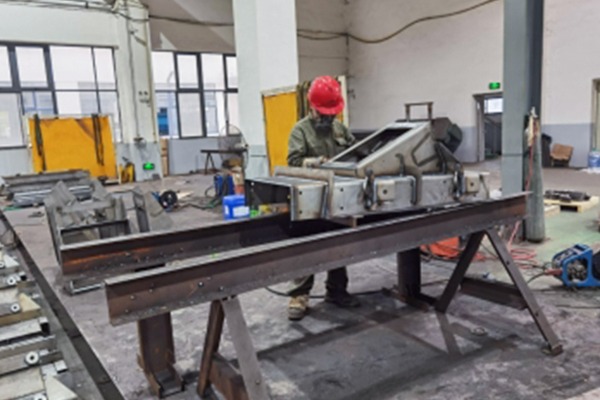
The term industrial and manufacturing equipment structures refers to the components that make up the framework of machines, conveyors, feeders, and other critical systems used in manufacturing. These structures must not only withstand the mechanical stress and vibrations but also endure wear and tear from continuous use in demanding environments.
When choosing materials for manufacturing equipment, several factors must be taken into account, such as strength, durability, corrosion resistance, and cost-effectiveness. The materials must align with the specific demands of the equipment’s functionality, including the need to endure vibrations, shocks, and high-speed motions.
For vibration conveying mechanical structures, which are designed to handle continuous motion and vibrations, material properties such as vibration damping, fatigue resistance, and load-bearing capacity become particularly important.
| Material Property | Impact on Equipment Performance |
|---|---|
| Strength | Determines the ability of the structure to handle heavy loads and stress. |
| Durability | Affects how long the material can endure operational conditions without failure. |
| Corrosion Resistance | Prevents degradation when exposed to moisture, chemicals, or high temperatures. |
| Vibration Damping | Critical for minimizing noise, reducing wear on components, and preventing structural damage in vibration-heavy applications. |
| Fatigue Resistance | Essential for materials that are subjected to repeated loading and unloading during operation. |
In vibrating equipment such as conveyors, feeders, and screens, the materials used in the structural components must effectively resist the damaging effects of vibration and shock. Materials with high vibration damping properties can absorb and dissipate the energy generated by mechanical vibrations, preventing structural degradation and minimizing the maintenance required.
Materials such as steel, aluminum alloys, and high-strength composites are commonly used in the construction of vibrating conveyors. Each material offers different benefits depending on the specific operational requirements:
| Material | Benefits | Applications |
|---|---|---|
| Steel | High strength, cost-effective, widely available | Industrial vibrating feeders, conveyor belts |
| Aluminum Alloys | Lightweight, corrosion-resistant | Light-duty conveyors, equipment exposed to moisture |
| Composite Materials | Excellent vibration damping, corrosion-resistant | High-performance vibrating conveyors, marine environments |
Beyond the materials themselves, the design of the equipment also plays a significant role in how well it performs in real-world conditions. For instance, in a vibration conveying mechanical structure, the design must accommodate the forces generated by the continuous motion of the machinery, ensuring that the materials are optimized to handle these stresses.
When considering the design of vibrating conveyors or feeders, attention must be paid to:
One of the most critical factors in material selection for manufacturing equipment structures is ensuring long-term performance with minimal maintenance. In vibration conveying mechanical structures, materials that offer both fatigue resistance and vibration damping are particularly valuable because they minimize the risk of breakdowns over time, reducing downtime and maintenance costs.
As a manufacturer like Jiaxing Dingshi Machinery Manufacturing Co., Ltd., specializing in industrial and manufacturing equipment structures, it is essential to select materials that meet the specific needs of clients while ensuring durability, performance, and ease of maintenance. The company’s experience in providing high-strength materials and advanced processing techniques ensures that each structural component, including those for vibrating conveyors, delivers superior long-term value.
Material handling during the manufacturing process can also influence the final performance of the equipment structures. The processing techniques—such as cutting, welding, and painting—must be carefully controlled to prevent any alteration to the material’s inherent properties, which could compromise the structure’s strength or vibration resistance.
Jiaxing Dingshi Machinery Manufacturing Co., Ltd. offers one-stop services for the entire process, from cutting and welding to assembly, ensuring that every step of production is optimized for performance. Their advanced facilities and skilled technical team are capable of tailoring solutions to meet specific project requirements, resulting in structures that meet or exceed client expectations.
Material choices have a profound impact on the performance of manufacturing equipment structures, especially when dealing with vibration conveying mechanical structures. The right materials ensure that the equipment performs efficiently, reduces operational costs, and extends the lifespan of the machinery. Whether using steel for strength, aluminum for weight reduction, or composites for vibration damping, each material plays a role in enhancing the functionality of industrial equipment.
1. What are the best materials for vibration conveying mechanical structures?
2. How does vibration affect the performance of industrial equipment?
3. What is the importance of vibration damping in equipment structures?
4. How can material handling during manufacturing affect equipment performance?
Why Steel Structure Frame Welding Fails: A Practical Diagnosis Guide Steel structure...
READ MORE
Storage racks carry heavy loads day after day, often for decades. The welds that ho...
READ MORE
Understanding Heavy-Duty Steel Structure Welding Large-scale construction and indust...
READ MORE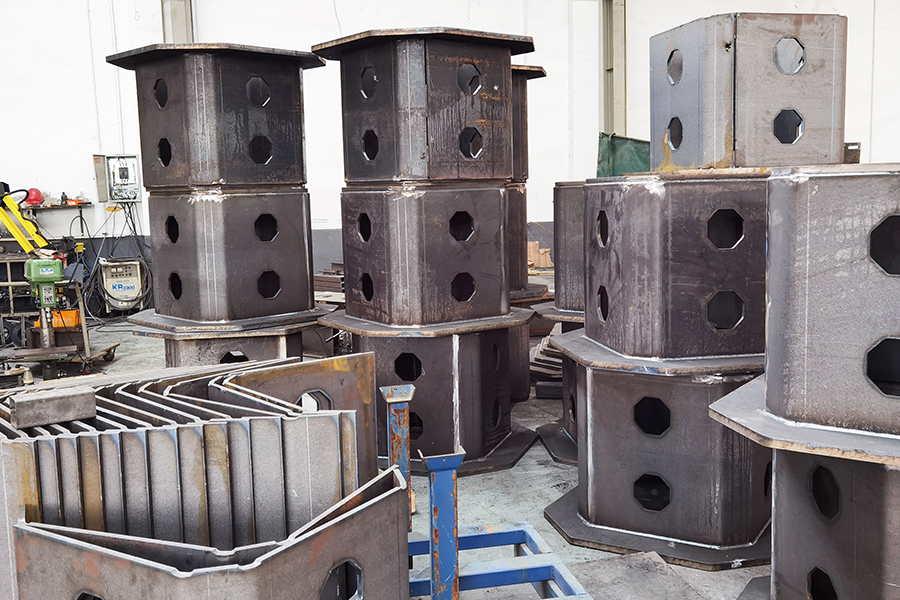
Why Equipment Structural Framework Welding Demands More Than Just a Welder Not all w...
READ MORE
No.158, Baoqun Road, Yaozhuang Town, Jiashan County, Jiaxing City, Zhejiang Province , China
0086 13857303563
+86-573-84893330 / +86-573-84518277
product